news
Sunshine Coast's Suburban Boom: What the Numbers Reveal About Our Neighbourhood Transformation
New data shows how fast our suburbs are changing, and what it means for planning, infrastructure and your street.
How we reported this
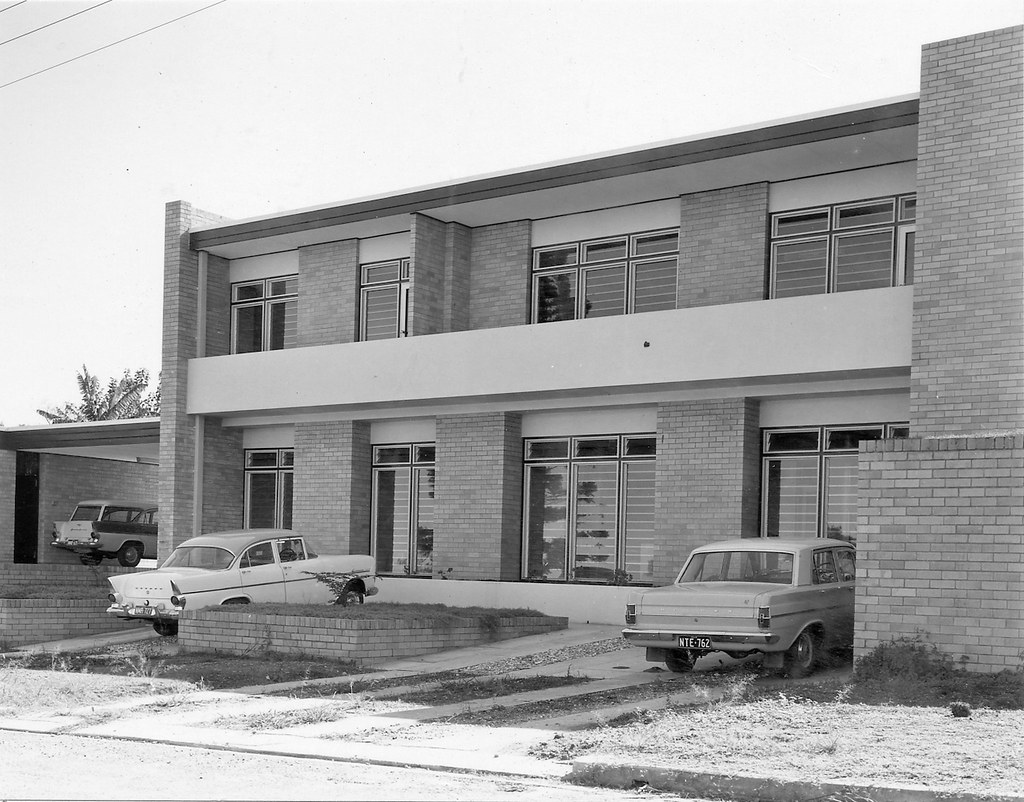
Sunshine Coast councils are grappling with a neighbourhood transformation so rapid that planning departments are struggling to keep pace. The numbers tell a stark story: Queensland's population growth machine is grinding through our suburbs faster than infrastructure can follow, and the data backs up what locals are already seeing on their streets.
Between 2021 and 2026, the Sunshine Coast regional population grew by approximately 67,000 residents-a 16 per cent jump in five years, according to Australian Bureau of Statistics figures released this month. That's not growth. That's a demographic avalanche. For comparison, the entire population of Caloundra sat at around 48,000 at the last census. We've added a city that size to the region in five years.
The pressure is hitting specific neighbourhoods hardest. Maroochydore, the council's flagship CBD redevelopment zone, has seen residential development applications surge 340 per cent since 2022, with the new commercial precinct drawing investor interest across Maroochydore Road and the surrounding broadhectare sites. Meanwhile, Palmview-often dismissed as a fringe suburb-has emerged as the fastest-growing neighbourhood on the Coast, with 1,247 dwelling approvals lodged in 2025 alone, nearly triple the 2020 figure.
When Infrastructure Can't Keep Up
Here's where the numbers get uncomfortable. The Sunshine Coast University Hospital expansion announced for 2024-2027 will add 150 beds, bringing total capacity to 545 beds. But population projections suggest we'll need closer to 750 beds by 2030 if current growth trajectories hold. Council water demand modelling from 2024 shows Sunshine Coast Water expects to handle 184 million litres daily by 2028. Current supply sits at 156 million litres. The maths doesn't work without new infrastructure, and new infrastructure takes years to build.
Transport is the same story told in traffic data. Monitoring stations on Nicklin Way recorded 94,000 vehicle movements daily in 2023. By 2025, that figure had climbed to 117,000. Roads built for 80,000 vehicles daily are now processing 46 per cent more traffic. The Bruce Highway corridor through Kawana experienced 17 accidents in the first half of 2025, up from 11 in the same period 2023.
Short-term rental regulation is another window into this chaos. Between January 2024 and June 2026, Sunshine Coast Regional Council received 3,847 short-term rental registrations, with 62 per cent of those properties concentrated in beachfront and near-beachfront suburbs like Sunshine Beach, Noosa Heads, and Mooloolaba. That's housing stock being converted from long-term rentals to holiday accommodation at a scale that's depressing rental availability for workers commuting to Sunshine Coast Airport or the university precinct in Sippy Downs.
The Planning Response
Council's new neighbourhood character overlay zones, implemented across 34 suburbs in the Caloundra-Kawana and Noosa areas, attempt to cap density increases at 20 per cent above existing neighbourhood character. It's a speed bump, not a barrier. Palmview's dense townhouse developments-often 25-30 units per hectare-still exceed those targets because they were approved before the 2025 overlay zones took effect.
The expansion of Sunshine Coast Airport's international routes is adding another variable. The airport handled 8.7 million passengers in 2025, up from 6.2 million in 2020. That growth is triggering demand for serviced apartments and short-term accommodation near the airport precinct, pulling investment dollars toward Kuluin, Sippy Downs, and Marmong Point-suburbs that now rank among the top five fastest-appreciating neighbourhoods, with median prices climbing 18-24 per cent in 2024-2025 alone.
What this means for your street depends on location. If you're in an established neighbourhood like Kunda Park or Buderim, current planning overlays provide some protection. If you're in Palmview, Coomera, or Kawana, expect more neighbours, tighter streets, and the sound of construction trucks for years. The data suggests the next two years are critical-decisions about water infrastructure, transport corridors, and housing targets made now will determine whether the Sunshine Coast manages its growth or simply copes with it.