news
How the Sunshine Coast Got Here: The Decisions and Pressures Reshaping a Region
From a hospital carpark to a half-built CBD, the forces driving change on the Sunshine Coast didn't arrive overnight.
How we reported this
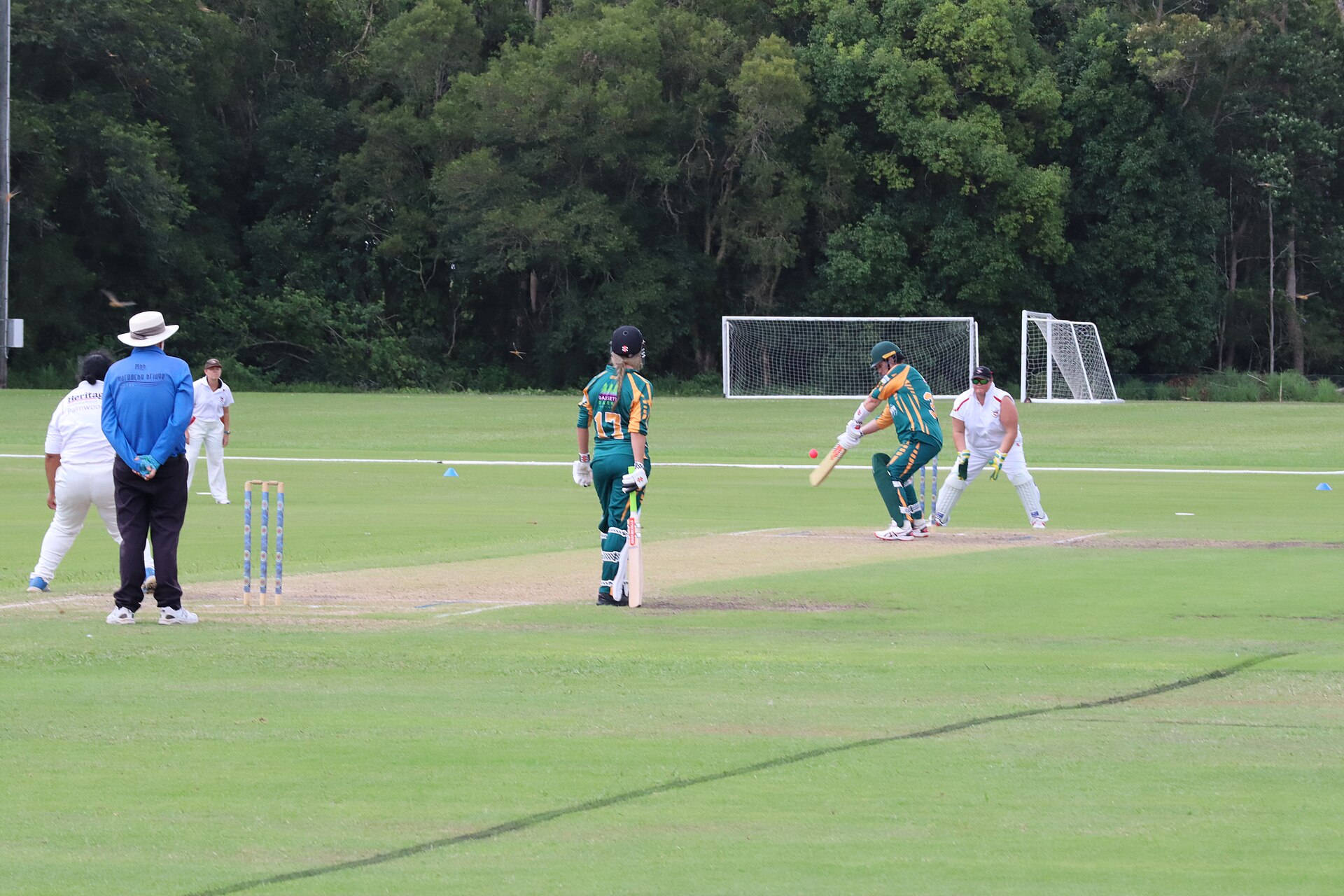
The Sunshine Coast is mid-transformation. Drive along Aerodrome Road in Maroochydore on any weekday morning and the evidence is impossible to miss, tower cranes above the new CBD precinct, fresh kerbing where cow paddocks sat a decade ago, and a steady stream of removalist trucks feeding the region's fastest-growing suburbs. None of this happened by accident. It is the product of planning decisions, infrastructure bets, and demographic shifts that stretch back at least fifteen years.
Understanding where the coast stands in July 2026 requires understanding the chain of events that got it here. That chain starts, most usefully, around 2011, when the Sunshine Coast Council adopted its Regional Economic Development Strategy and committed to building a new city centre from scratch on the old Horton Park Golf Course site at Maroochydore. At the time, the idea of a purpose-built CBD for a region that had always sprawled across a loose collection of beach towns struck many locals as optimistic to the point of absurdity. Fifteen years on, the first commercial buildings are occupied, and the council's development arm, SunCentral Maroochydore, is overseeing a project expected to unfold across roughly 53 hectares over several decades.
The Hospital and the Population Bet
The opening of Sunshine Coast University Hospital at Birtinya in April 2017 was the single most significant infrastructure event in the region's recent history. The public facility brought several thousand jobs to the lake-edge precinct and acted as a gravitational centre for the health and education corridor now stretching between Kawana and Sippy Downs. The University of the Sunshine Coast campus at Sippy Downs, which enrolled its first students in 1996, had spent two decades waiting for that kind of anchor investment nearby. The hospital delivered it.
The population followed the jobs. The Australian Bureau of Statistics estimated the Sunshine Coast local government area population at just over 370,000 people as of mid-2023, a figure that represented roughly a doubling in 25 years. That growth rate consistently outpaced Queensland's own strong state average. The consequence was predictable and is now chronic: housing supply has struggled to keep pace, median house prices in suburbs like Buderim and Noosa Heads pushed past $1 million, and rental vacancy rates through 2023 and 2024 sat at levels that housing advocates described as a crisis by any reasonable measure.
Short-term rental platforms accelerated the squeeze. Caloundra's beachside streets, the Noosa hinterland townships of Cooroy and Pomona, and the Mooloolaba foreshore all saw a measurable shift in housing stock from long-term rental to holiday letting across the early 2020s. The Queensland Government's short-term rental registration scheme, introduced in late 2023, was a direct response to sustained pressure from councils and community groups who argued the unregulated market was hollowing out residential neighbourhoods.
The Airport Pivot and What Came Next
Sunshine Coast Airport's expanded international terminal, which began operating direct flights to New Zealand in late 2020 before COVID interrupted the schedule, represented another deliberate strategic choice. The airport at Marcoola, owned and operated by Sunshine Coast Airport Pty Ltd under a long-term lease arrangement, had been a regional afterthought for most of its existence. The runway extension completed in 2020 at a cost publicly reported at the time as approximately $347 million was intended to change that, attracting long-haul routes and positioning the coast as a destination rather than a drive-through on the way to Brisbane.
Recovery from the pandemic was slow. But by 2025, Jetstar and other carriers had rebuilt domestic capacity, and the airport was again pursuing international route development, particularly targeting Southeast Asia. That ambition links directly to the broader economic diversification argument that planners and the council have been making since the early 2010s: a region that relies entirely on tourism and construction is vulnerable. The goal has always been to attract knowledge industries, health research, and education investment alongside the beach economy.
Residents and ratepayers watching their suburb change around them now live inside that long game. The decisions made this year, on vegetation clearing permits in the hinterland, on density codes in the Maroochydore CBD, on which short-term rental applications get approved, are the latest moves in a plan that was drawn up when most of the people now arriving hadn't yet decided to come.