news
Sunshine Coast Rivals Barcelona and Lisbon as World's Fastest-Growing Coastal Cities
As global warming rewrites temperature records and coastal populations surge worldwide, the Sunshine Coast is managing pressures that would be familiar in Barcelona, Lisbon and Santa Barbara, but with a distinctly Queensland twist.
How we reported this
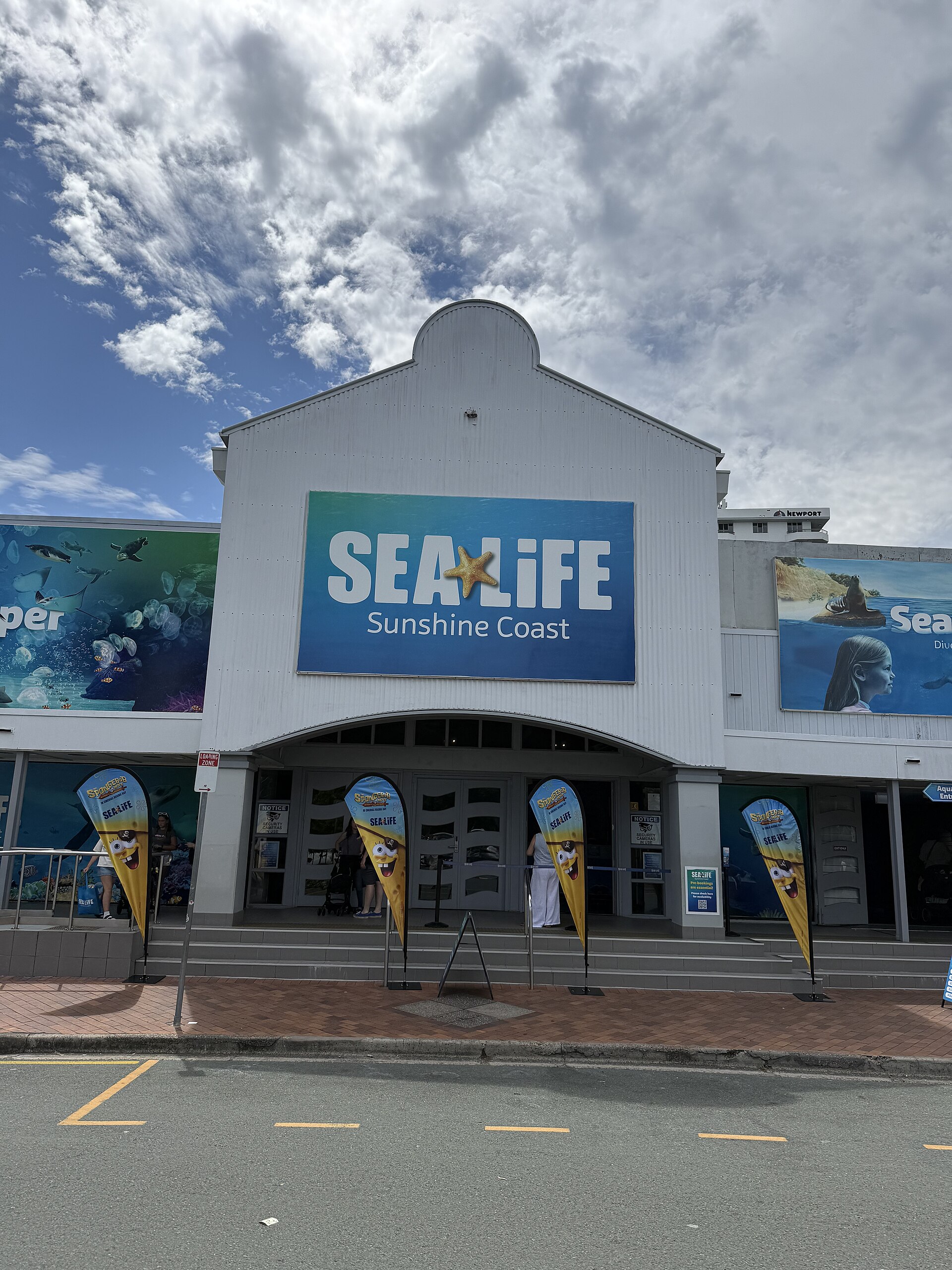
The Sunshine Coast is running hotter, busier and more expensive than at any point in its recorded history, and the pressures reshaping Buddina beachfronts and Maroochydore high-rises are the same forces straining coastal cities from the Mediterranean to California. The question local planners are increasingly asking is whether the region is handling growth any better than its international counterparts, and the evidence is mixed.
Sydney recording its hottest June since 1859 this week put the national climate conversation back at the top of the agenda. On the Sunshine Coast, the Bureau of Meteorology's Maroochydore station logged seven consecutive days above the June average this year, and the region's overnight lows have tracked roughly 1.4 degrees above the 1990s baseline. Climate scientists at the University of the Sunshine Coast's Thompson Institute have linked the warming pattern to the same mechanisms driving record heat across southern Europe and the United States' west coast.
Growth Pressure: Sunshine Coast vs. Global Comparators
The region's population hit 380,000 in the 2025 Australian Bureau of Statistics estimate, up from roughly 333,000 in 2020, a pace of growth that mirrors what Santa Barbara, California experienced during its own boom decade in the 2010s, and what Cascais, Portugal is living through right now. In all three places, the core tension is identical: how do you absorb an influx of higher-income arrivals without destroying the lifestyle that attracted them?
Maroochydore's CBD redevelopment, the 53-hectare SunCentral project along Cornmeal Creek, is the region's most direct answer to that question. Stage three construction is currently active, with the first residential towers already occupied along First Avenue. The model, a purpose-built urban core dropped into a previously low-density coastal suburb, is not unlike what Valencia attempted with its port precinct redevelopment after the 2007 America's Cup, though the Sunshine Coast version is far smaller in scale. Valencia's approach eventually faltered under debt. SunCentral's structure, managed as a council-owned urban renewal vehicle, has so far avoided that trap, though critics on the Sunshine Coast Council note that commercial tenancy rates in the new precinct remain below projections two years after first occupancy.
Short-term rental pressure is the other flashpoint with direct international parallels. Barcelona imposed strict Airbnb caps in 2024, reducing its licensed short-term rental stock by nearly 40 percent. Lisbon followed with its own moratorium. The Sunshine Coast has moved more cautiously. Queensland's state government introduced its short-term rental register in October 2024, requiring all platforms to collect and report host data, but has stopped well short of the hard caps European cities have used. Rental vacancy in suburbs like Noosa Heads and Coolum Beach sat at 0.4 percent in the April 2026 Real Estate Institute of Queensland figures, numbers that housing advocates describe as a crisis by any definition.
Hospital and Infrastructure: One Area Where the Coast Leads
The $2.1 billion Sunshine Coast University Hospital expansion, currently adding a new acute mental health building and expanding surgical theatres at Birtinya, gives the region a healthcare infrastructure advantage that comparable growth corridors in Portugal or coastal Spain simply do not have. The Birtinya campus, which opened its original building in 2017, is now one of Queensland's largest regional hospitals by bed count. By contrast, the Algarve coast in southern Portugal, which has absorbed similar population growth, relies heavily on a single hospital in Faro that was built for a permanently resident population roughly half its current size.
The Sunshine Coast Airport's ongoing push to add direct international routes, flights to Tokyo and Singapore are at various stages of commercial negotiation, is another element that coastal boomtowns in California and southern Europe lack at this scale. Whether those routes materialise will depend partly on Qantas and Jetstar network decisions expected before the end of 2026.
For residents feeling squeezed between rising rents, hotter winters and construction cranes on every second street corner, the practical reality is that the Sunshine Coast's problems are not unique, but its institutional infrastructure to handle them is, on balance, stronger than most cities its size. The test will come in the next five years, as SunCentral fills out, the hospital expansion completes, and the climate baseline keeps shifting upward.