news
How the Sunshine Coast's Property Image Problem Built Up Over Years, and Why It's Finally Being Addressed
Duplicate and misleading listing photos have quietly distorted the region's property market for years; here's the chain of decisions that brought the issue to a head.
How we reported this
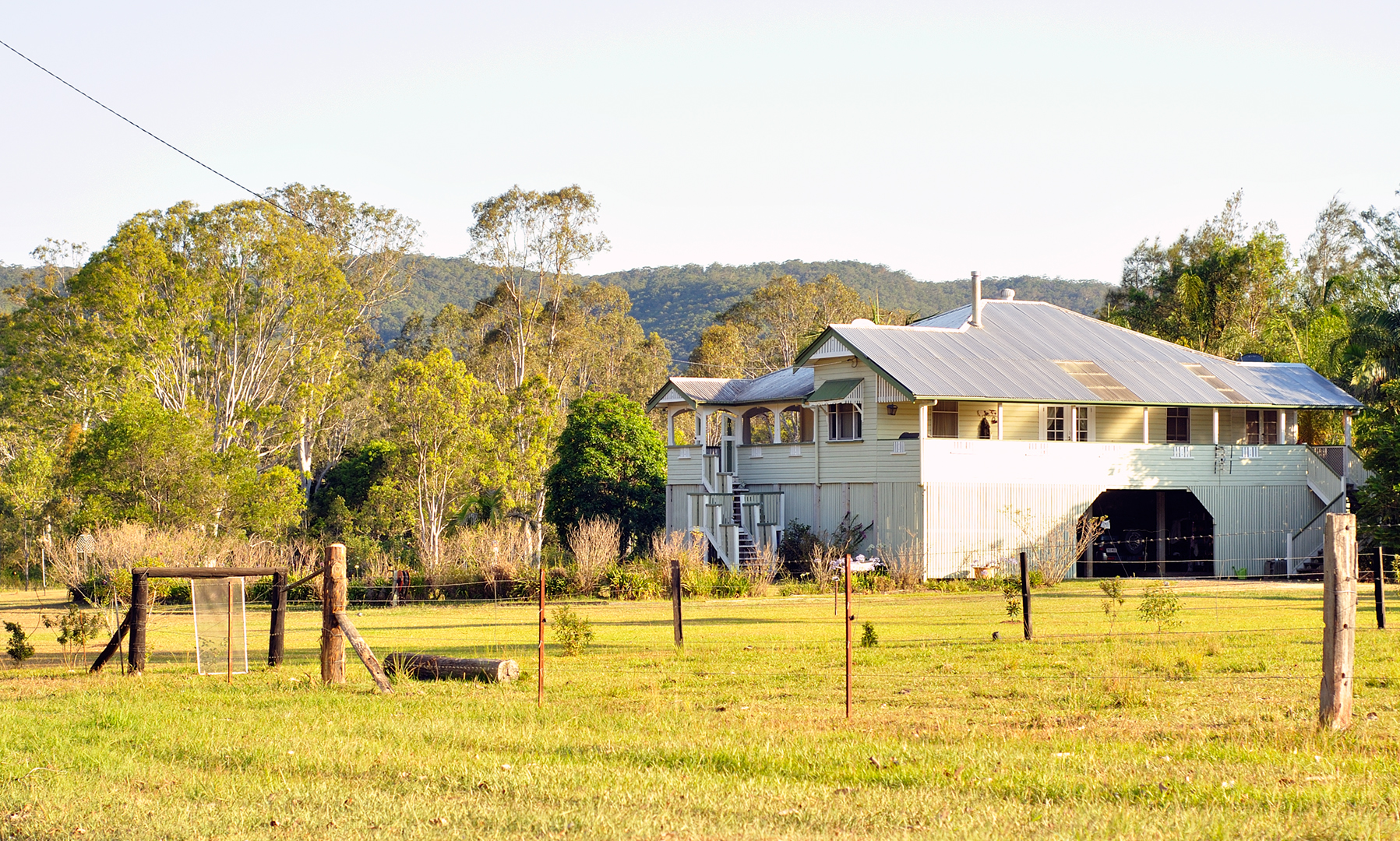
Property listings across the Sunshine Coast have been circulating duplicate images for long enough that the problem now has a name inside local real estate circles: ghost photography. Councils, agents, and renters are now grappling with the accumulated consequences, inflated perceived values, confused buyers comparing properties that look identical, and short-term rental platforms displaying photos that belong to entirely different addresses.
The timing matters. Queensland's short-term rental regulation framework, which the state government began tightening in 2023, requires hosts to accurately represent properties on platforms such as Airbnb and Stayz. But a loophole nobody legislated around is the image layer, there is no formal mechanism compelling a listing's photographs to match its registered address. On the Sunshine Coast, where the short-term rental sector is densely concentrated across Noosa Heads, Mooloolaba, and Buddina, that gap has real consequences for renters paying premium nightly rates.
A Market Primed for the Problem
Several forces converged to make the Sunshine Coast particularly vulnerable. The region's population grew sharply through the early 2020s, with the Australian Bureau of Statistics recording the Sunshine Coast local government area among Queensland's fastest-growing councils. That surge drove a listing frenzy, agencies scrambling to put properties online quickly, investors converting residential stock to short-term rental at pace, and photography businesses stretched thin across a coastline running from Caloundra in the south to Noosa in the north.
Photography turnaround pressure meant some agencies began sourcing stock shots, using photos from comparable properties in the same complex, or inadvertently republishing images after a listing was removed and re-entered under a new address. The Real Estate Institute of Queensland has published guidance discouraging the practice, but compliance has been uneven. The problem compounded inside Maroochydore's new CBD precinct, where multiple near-identical apartment towers under construction by different developers produced renders and early marketing photography so visually similar that buyer advocates began flagging confusion as far back as late 2024.
The Sunshine Coast University Hospital expansion, which has drawn a steady pipeline of healthcare workers and temporary contractors into the rental market since its stage-three works began, added another pressure point. Relocating workers booking accommodation remotely, often from interstate, had little way to verify that a Birtinya listing's bathroom photograph wasn't recycled from a Cotton Tree unit sold eighteen months earlier.
What Changed, and What Comes Next
The shift came incrementally. The Sunshine Coast Council's short-term rental registration scheme, which requires hosts to hold a current registration number displayed in all online listings, created a trail that property advocates could follow when images misrepresented a property's condition. By cross-referencing registration numbers against council records, advocacy groups began formally identifying listings where photographs pre-dated significant building works or showed a different unit entirely.
The Australian Competition and Consumer Commission has existing powers under the Australian Consumer Law to pursue misleading and deceptive conduct in property advertising, and consumer groups have pointed to those provisions as the mechanism most likely to drive compliance in the short term. Real estate agencies operating out of Hastings Street in Noosa and Ocean Street in Maroochydore have begun internal audits of their listing databases, checking image metadata against property addresses, according to industry sources familiar with the process, though no enforcement action has been publicly confirmed against any named agency to date.
For renters and buyers, the practical advice from consumer advocates is consistent: request a property's council-registered short-term rental number before booking, ask agents to confirm that all photographs were taken at the specific address advertised, and use mapping tools to cross-check the property's street view against listing photos. Buyers in the Maroochydore CBD precinct in particular should request a statutory declaration confirming that marketing renders or photographs represent the specific lot being purchased.
The broader clean-up will take time. Image duplication wasn't created by a single decision, it accumulated through years of market pressure, patchy oversight, and technology platforms that prioritised speed of listing over verification of content. The regulatory architecture to fix it exists in pieces. Whether those pieces are assembled before the next wave of Sunshine Coast property listings goes live is the question agents, renters, and council officers are now working to answer.