news
Sunshine Coast Growth Forces Three Critical Decisions on Infrastructure, Housing, Environment
As the region grapples with rapid growth and development, key decisions on infrastructure, environment, and housing will shape the future of the Sunshine Coast
How we reported this
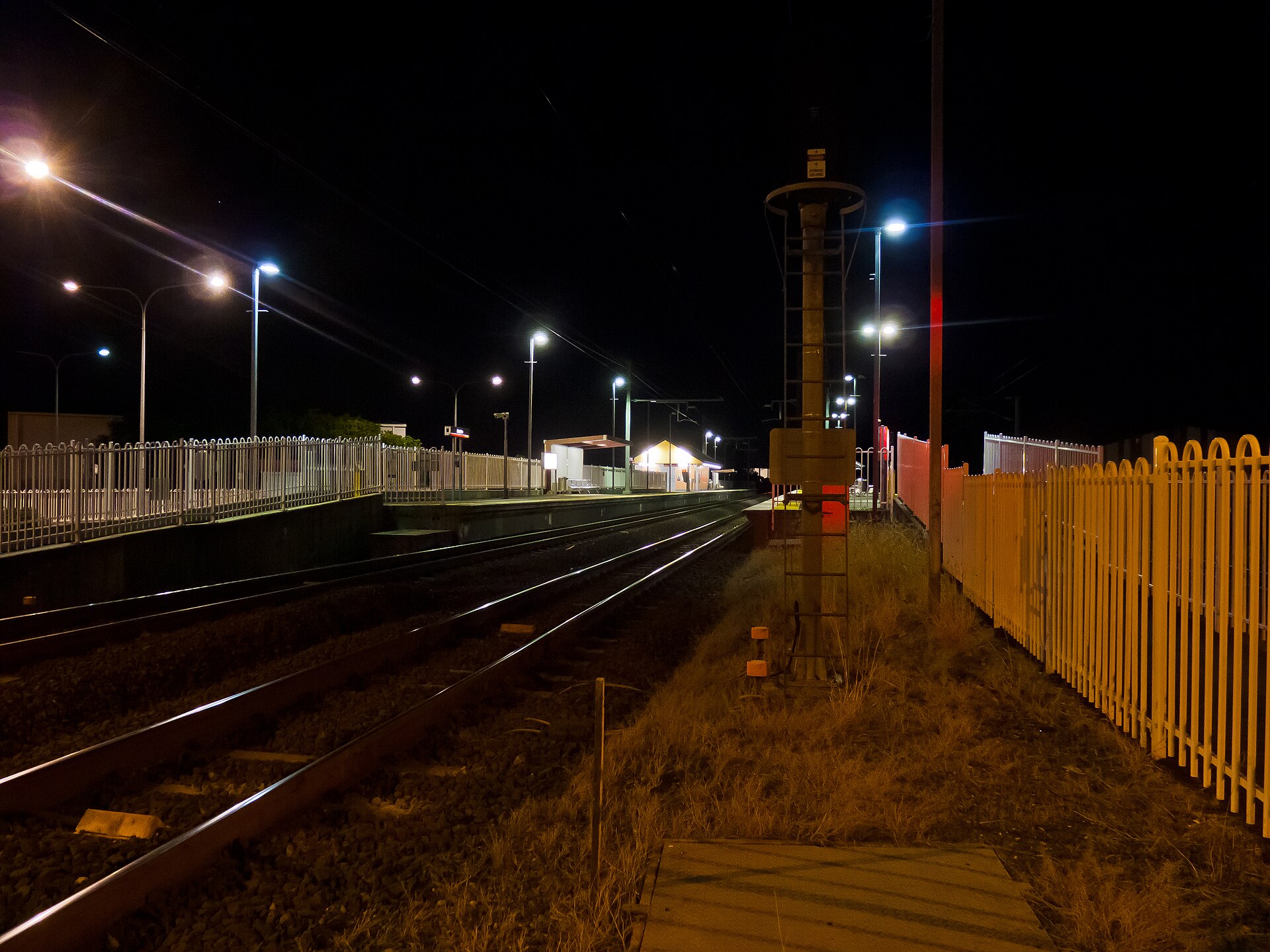
The Sunshine Coast is at a critical juncture, with the region's population projected to reach 500,000 by 2030, putting pressure on infrastructure, housing, and the environment. This growth is driven by the expansion of the Sunshine Coast University Hospital, the construction of the Maroochydore CBD, and the increasing popularity of the region as a tourist destination.
The rapid growth of the Sunshine Coast matters now because it poses significant challenges for the region's infrastructure, environment, and housing affordability. The Queensland Government's South East Queensland Regional Plan 2017 estimates that the region will need an additional 54,000 dwellings by 2031 to accommodate the growing population. This has led to concerns about the impact of development on the region's natural environment, including the Glass House Mountains and the Mooloolah River.
Locally, the impact of growth is being felt in areas such as Mooloolaba, where the construction of high-rise apartments is changing the character of the suburb. The Sunshine Coast Council's draft Spatial Growth Strategy identifies areas such as Caloundra, Kawana, and Nambour as key growth hubs, with plans for new residential developments, commercial precincts, and infrastructure upgrades. Organisations such as the Sunshine Coast Environment Council and the Maroochy Bushland Botanic Gardens are working to protect the region's natural environment and promote sustainable development.
Key Statistics and Challenges
According to data from the Australian Bureau of Statistics, the median house price on the Sunshine Coast is now over $800,000, making it difficult for first-home buyers to enter the market. The Queensland Government's 2020-21 State Budget allocated $1.3 billion for infrastructure projects on the Sunshine Coast, including the Bruce Highway upgrade and the Sunshine Coast Airport expansion. However, there are concerns that the pace of development is outstripping the availability of infrastructure, with the RACQ estimating that the region needs an additional $1.1 billion in road upgrades to accommodate the growing population.
As the Sunshine Coast looks to the future, key decisions will need to be made about how to balance growth with environmental protection and social sustainability. The Sunshine Coast Council's upcoming budget will be closely watched, with expectations that it will include significant investments in infrastructure, public transport, and environmental protection. Residents and stakeholders will be eagerly awaiting the release of the council's Spatial Growth Strategy, which will provide a roadmap for the region's development over the next 20 years. With the region's population projected to continue growing, the decisions made now will have a lasting impact on the Sunshine Coast's future.