news
Behind the Numbers: The Data Statistics and Numbers Behind Sunshine Coast's Growth Story
A closer look at the statistics driving the region's development, from population boom to environmental concerns
Listen in English · 3 min
How we reported this
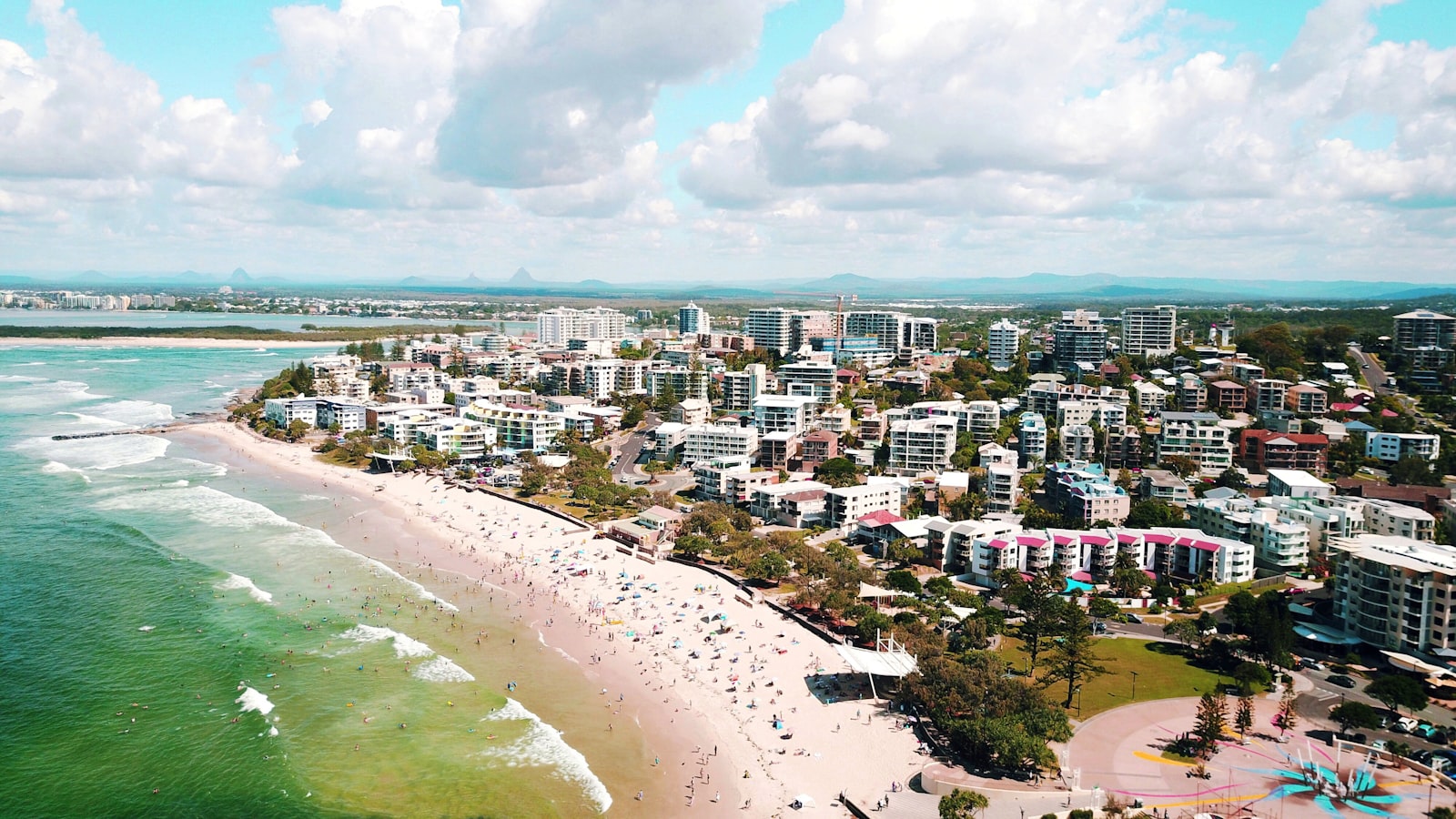
The Sunshine Coast's population is projected to reach 540,000 by 2036, according to the Queensland Government's population projections, with the region experiencing a growth rate of 2.5% per annum. This rapid expansion has significant implications for the region's infrastructure, environment, and economy.
The growth of the Sunshine Coast is not just a matter of numbers; it has real-world consequences for residents, businesses, and the environment. The region's popularity as a tourist destination and its growing reputation as a hub for innovation and entrepreneurship have put pressure on local infrastructure, including the Sunshine Coast University Hospital, which is currently undergoing a $1.1 billion expansion. Meanwhile, the Maroochydore CBD construction project is transforming the city's central business district, with a predicted completion date of 2028.
In specific areas like Mooloolaba, Alexandra Headland, and Buderim, the effects of growth are already being felt. The Sunshine Coast Airport, which offers international routes to destinations like Auckland and Singapore, has seen a significant increase in passenger numbers, with over 1.1 million passengers passing through the airport in the 2022-2023 financial year. Local organisations like the Sunshine Coast Council and the Environment Council are working to balance growth with environmental protection, particularly in sensitive areas like the Maroochy River and the Mooloolah River National Park.
Data-Driven Decision Making
A closer examination of the data reveals some interesting trends. For example, the median house price in the Sunshine Coast region has increased by 15.6% over the past 12 months, reaching $945,000, according to data from the Real Estate Institute of Queensland. Meanwhile, the region's rental vacancy rate has decreased to 0.9%, indicating a highly competitive rental market. The Sunshine Coast Council has implemented policies like the Short-Term Rental Accommodation Strategy to regulate the short-term rental market and mitigate its impact on the region's housing affordability.
As the Sunshine Coast continues to grow and evolve, it is essential to rely on data-driven decision making to ensure that development is sustainable and equitable. By examining the numbers behind the growth story, residents, businesses, and policymakers can work together to create a thriving and resilient region. The next step will be to monitor the progress of key infrastructure projects, like the Sunshine Coast University Hospital expansion and the Maroochydore CBD construction, and to assess their impact on the region's economy and environment. With careful planning and a commitment to sustainability, the Sunshine Coast can continue to thrive as a vibrant and attractive region for residents and visitors alike.