news
The Numbers Behind the Sunshine Coast Housing Crunch: What the Data Actually Shows
New planning figures reveal the scale of the region's housing pressure, and why the decisions being made in Maroochydore right now will shape the Coast for decades.
How we reported this
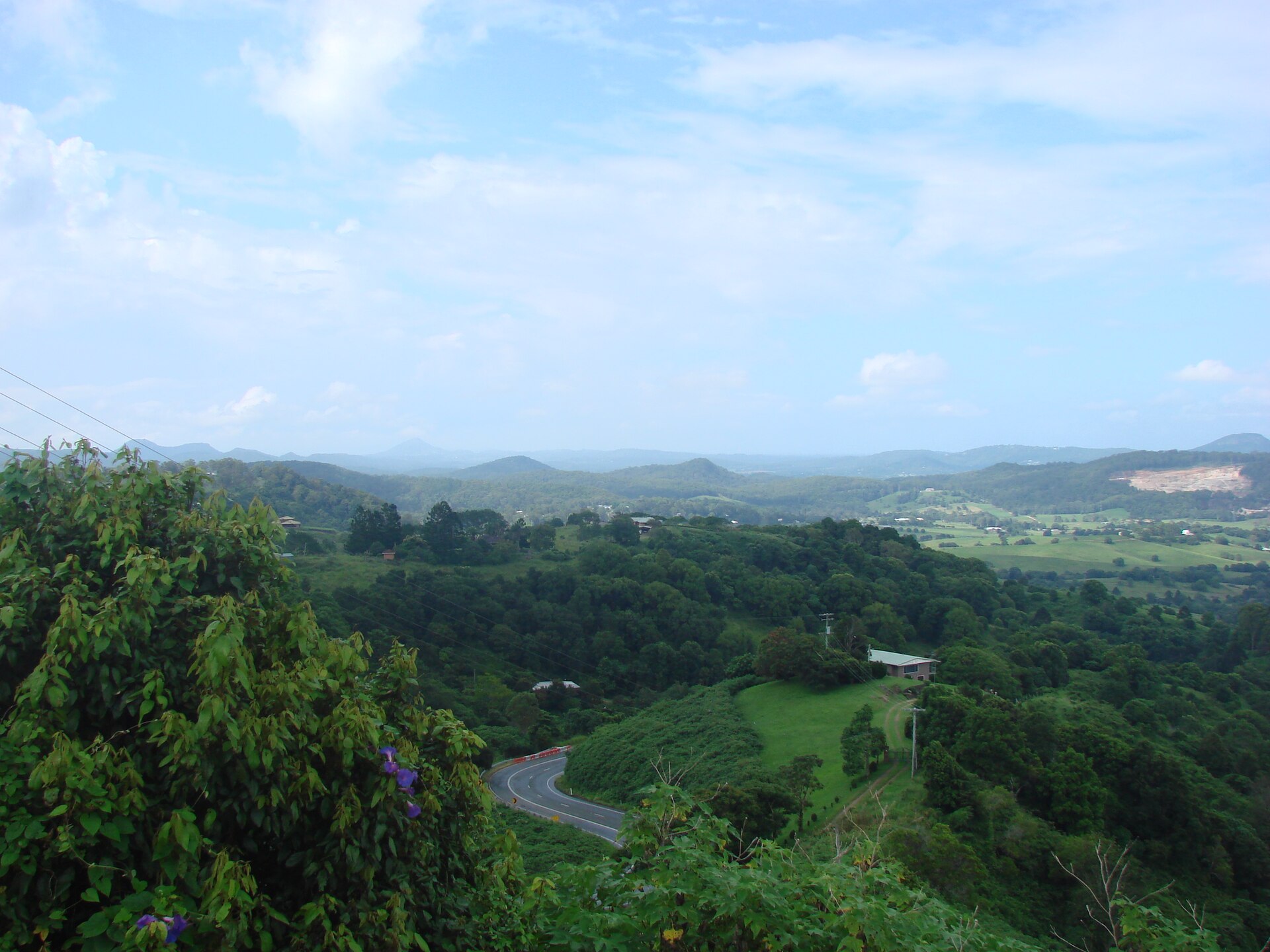
The Sunshine Coast needs to build roughly 50,000 new homes by 2041 to keep pace with population growth, according to projections embedded in the Sunshine Coast Council's current planning scheme review. The region is adding close to 10,000 new residents every year. The infrastructure is straining to catch up.
That context matters urgently in mid-2026 because the State Government's ShapingSEQ regional plan, which sets the growth blueprint for south-east Queensland, is being stress-tested in real time. Nationally, first-home buyers are pulling back from the market as prices soften in capital cities, but on the Sunshine Coast the dynamic is different. Tight rental vacancy rates, a constrained land supply, and continued interstate migration are keeping pressure on the local market in ways that broader national trends simply don't capture.
What the Local Numbers Actually Show
The median house price across the Sunshine Coast local government area sat at approximately $1.03 million in the June 2026 quarter, according to Real Estate Institute of Queensland figures, down marginally from a peak of $1.09 million in late 2024, but still more than double the pre-pandemic median recorded in early 2020. Units are tracking around $680,000. For context, the average household income on the Coast is roughly $98,000 a year, meaning mortgage serviceability remains acutely difficult for local workers in health, retail, and hospitality, exactly the sectors the Sunshine Coast University Hospital expansion at Birtinya is supposed to draw in.
Rental vacancy in Caloundra and Mooloolaba sits below one per cent, according to SQM Research data for May 2026. The average weekly rent for a three-bedroom house in those suburbs has climbed to around $720, compared with $490 in mid-2021. Those figures help explain why Sunshine Coast Council has been under growing pressure to tighten short-term rental regulations, with an estimated 4,200 properties listed on platforms like Airbnb across the region, a pool of housing effectively removed from the long-term market.
The Maroochydore CBD development, managed through Maroochydore City Centre Pty Ltd, is central to the council's densification strategy. About 53 hectares of former Horton Park Golf Club land is being transformed into the region's first purpose-built city centre, with approved plans earmarking space for up to 15,000 residents and 10,000 workers. Stages one and two of the residential precinct are underway, but construction timelines have slipped by 12 to 18 months due to trade shortages and materials costs, problems that are not unique to the Coast but bite harder here given the volume of concurrent projects.
Planning Decisions on the Table Right Now
Council is currently reviewing submissions to its Housing Supply Action Plan, which proposes rezoning corridors along Nicklin Way between Minyama and Bokarina to allow medium-density development, townhouses and three-to-four storey apartments, where low-density residential zoning currently applies. Residents in the Bokarina Beach precinct near Kawana Shoppingworld have raised objections about infrastructure capacity, particularly sewerage and stormwater. Unitywater, which services the region, has flagged that some trunk infrastructure upgrades won't be completed until at least 2029.
Environmental constraints also limit where growth can go. The Sunshine Coast contains more than 47,000 hectares of mapped koala habitat and significant vegetation under council's biodiversity overlays. Proposed greenfield expansion west of Beerwah, in the Beerwah East Priority Development Area, is the biggest single land release on the agenda, potentially delivering 7,000 dwellings, but it requires State Government declaration and won't yield housing stock before 2030 at the earliest.
For anyone navigating this market in the second half of 2026, the practical picture is this: approvals in the Maroochydore CBD and Birtinya health precinct corridors represent the best near-term pipeline of new supply. Buyers and renters tracking those precincts, rather than waiting for greenfield releases further west, are likely looking at the most realistic timeline for new stock. Council's next planning scheme amendment is scheduled for public exhibition in September 2026, and that document will contain the updated dwelling yield targets that will define the policy fight for years to come.