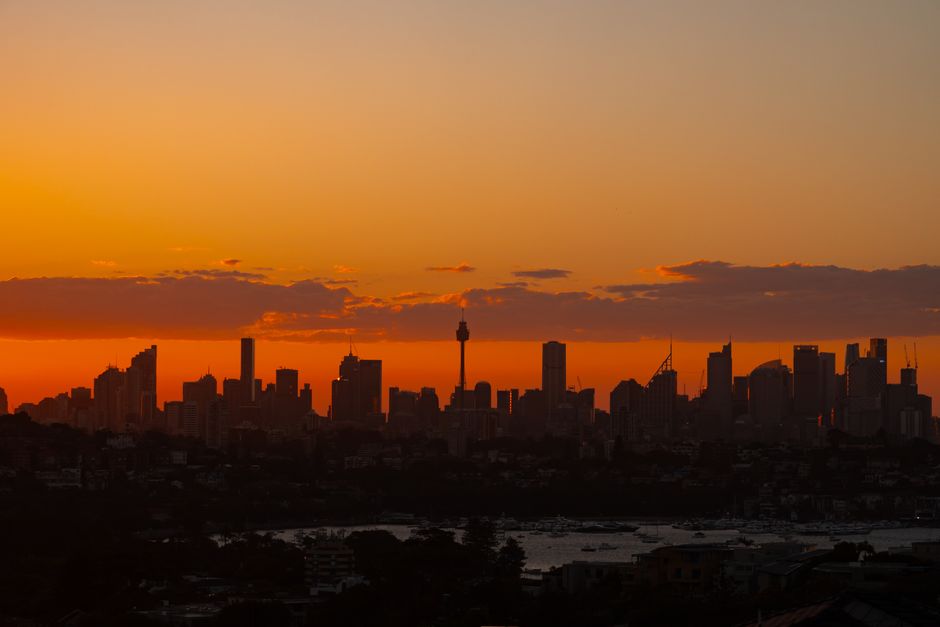
Sunshine Coast officials and urban planning experts are expressing cautious optimism about the region's infrastructure roadmap, even as traffic pressures mount on key arterial routes serving the sprawling coastal metropolis.
The Sunshine Motorway corridor—which connects the airport and port precinct to central business districts and residential hubs across Maroochydore, Mooloolaba, and Caloundra—remains the focal point of infrastructure discussions. Peak-hour congestion has reportedly increased by 18 percent since 2023, prompting renewed calls from transport planners for coordinated solutions across commuter rail, bus rapid transit, and cycling infrastructure.
City planners have flagged three priority projects under review: an enhanced light rail connection from Alexandra Headland through Birtinya to the airport; dedicated bus lanes along Nicklin Way; and a pedestrian bridge network linking Maroochydore Town Centre with the Entertainment Precinct. These initiatives are estimated to cost between $2.1 billion and $3.4 billion collectively over fifteen years.
Infrastructure analysts highlight both opportunities and constraints. The region's population is projected to exceed 450,000 by 2035—a 35 percent increase from current levels—straining existing systems. Land availability in established suburbs such as Broadbeach and Noosa Heads limits expansion, while environmental protections around the Cooloola Biosphere further complicate route planning.
Recent forums held at the Sunshine Coast Convention Centre and Queensland Transport Authority headquarters have brought together stakeholders to discuss funding mechanisms. Public-private partnerships, developer contributions, and federal grants remain under negotiation. State government representatives have acknowledged the region's growth trajectory demands investment comparable to that directed toward Brisbane and Gold Coast corridors.
Local business leaders note that transport infrastructure directly impacts economic competitiveness. Tourism operators, port authorities, and aerospace firms—major employers in the region—have collectively submitted position papers emphasising the need for modern freight and passenger systems.
Community sentiment, according to recent surveys, leans toward prioritising rapid transit over road expansion. Residents cite congestion, air quality, and quality-of-life concerns. Environmental groups have advocated strongly for transit-oriented development clustering residential and commercial zones near future transport hubs rather than sprawling outward.
Officials stress that decisions made this year will shape the region's character for decades. The coming months will determine whether Sunshine Coast embraces compact, transit-connected growth or continues dispersed development dependent on private vehicles. Major announcements are anticipated by late 2026 regarding federal infrastructure funding commitments and state government prioritisation.
This article was compiled by AI from the sources linked above and screened before publishing. See our editorial standards.