Our reporters are based in Sunshine Coast and cover local government, business and community. The Daily Sunshine Coast is independently owned and editorially independent. Read our editorial standards →
The Sunshine Coast stands at an inflection point. With global environmental frameworks tightening and local pressures mounting, the coming twelve months will determine whether the region leads or lags on sustainability—and three major decisions will prove decisive.
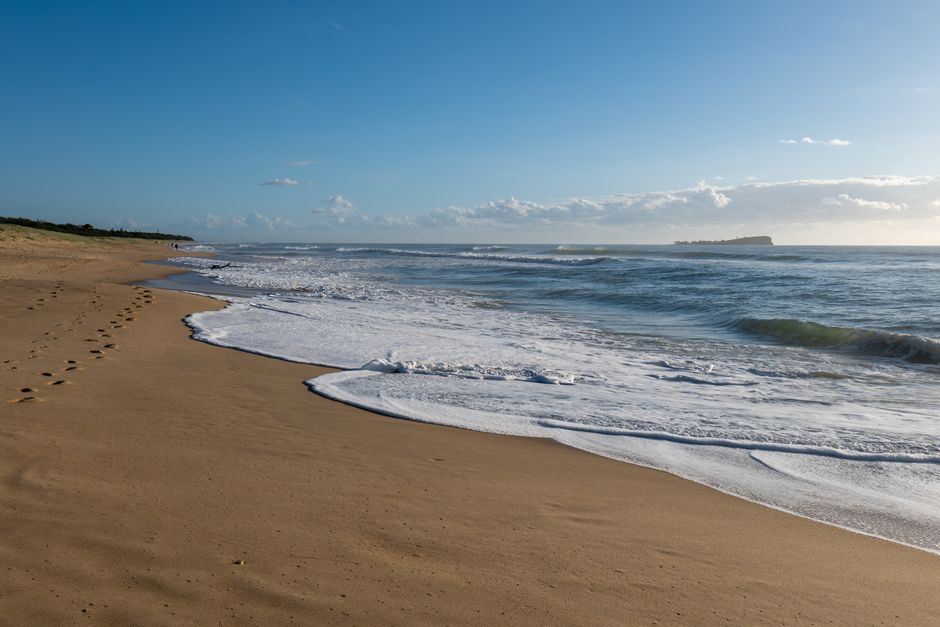
First, the City Council must finalise its coastal resilience strategy by September. Current projections show erosion rates of 12-15 centimetres annually along the Alexandra Headlands foreshore, threatening $2.3 billion in residential and commercial assets. The choice isn't straightforward: invest heavily in seawalls and artificial barriers, or adopt a more controversial managed retreat model that relocates infrastructure inland. Both approaches carry financial and political consequences, yet inaction guarantees environmental damage.
Second, the municipal waste reduction target requires immediate action. Sunshine Coast currently diverts 58% of waste from landfill—below the state average of 72%. By December 2026, council must decide whether to introduce mandatory commercial composting, expand the existing collection services in Maroochydore and Caloundra precincts, or partner with private operators. Each option carries different cost implications for ratepayers and businesses. The window to meet 2030 targets is narrowing rapidly.
Third, and perhaps most contentious, is the renewable energy procurement decision. The region's major employers, including the Sunshine Coast Hospital and the university campus precinct, currently source approximately 34% of power from renewable sources. Corporate commitments to carbon neutrality require 80% renewable energy by 2028. This demands either significant investment in rooftop solar infrastructure across public buildings or long-term power purchase agreements—commitments worth tens of millions of dollars that will affect budget priorities for the next decade.
Local environmental groups have intensified scrutiny. The Sunshine Coast Sustainability Alliance, which represents 23 community organisations, has published detailed submissions outlining preferred pathways. Meanwhile, business chambers worry about cost burdens on small operators in the Mooloolaba and Noosa Junction commercial districts.
The broader context matters. Global supply chains for renewable technology remain volatile, insurance costs for coastal properties are climbing, and competing demands for council funding—from transport to social services—intensify budget pressures.
What happens next depends on choices made in the coming weeks. Will Sunshine Coast embrace transformational change, or opt for incremental adjustments? The answer will resonate far beyond our coastline, signalling to investors, residents, and the broader region whether this city genuinely prioritises environmental leadership or merely performs it.
The decisions await. The consequences will be permanent.
This article was compiled by AI from the sources linked above and screened before publishing. See our editorial standards.
This article was produced by the The Daily Sunshine Coast editorial desk and covers news in Sunshine Coast. See our editorial standards for how we use AI.
Enjoyed this story? Get tomorrow's briefing free.
Daily brief
Enjoyed this? Wake up to Sunshine Coast news every morning.