lifestyle
Inside look at the neighbourhood character and community vibe
As urban expansion reshapes the Sunshine Coast, residents are holding tight to the unique local identity that defines their coastal corridors.
Listen in English · 3 min
How we reported this
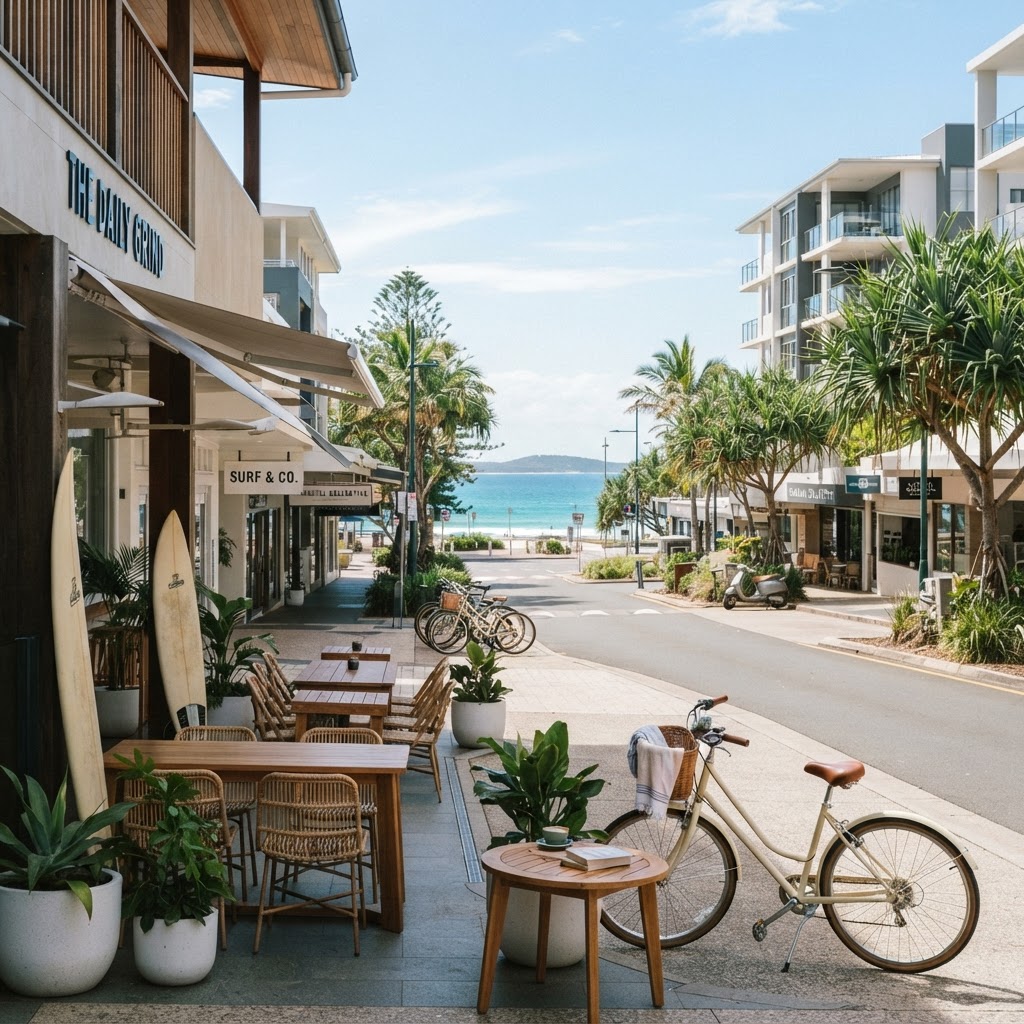
Sunshine Coast planners released their latest development assessment this morning, highlighting a record 12% increase in new residential permit applications across the Maroochydore and Mooloolaba corridors for the first half of 2026. This data underscores a rapid densification that is testing the historical character of our beachside neighbourhoods.
The pulse of the Maroochydore urban core
The push for high-density living is most visible near the SunCentral development site, where tower cranes now dominate the skyline. Local organisations such as the Sunshine Coast Community Alliance have raised concerns regarding how these vertical additions impact the area's "low-rise" coastal charm. On Duporth Avenue, the blend of heritage-style low-set villas and new mixed-use developments creates a visible tension between the region's sleepy vacation roots and its modern metropolitan ambitions.
Residents frequenting the Cotton Tree Precinct report that the weekend market foot traffic has surpassed previous seasonal averages. This growth is mirrored by shifting economics in the local hospitality sector. Data from the Sunshine Coast Council’s 2026 Economic Development Report notes that the median weekly rental price in the postcode 4558 has risen to $740 as of July 1, marking a significant barrier for legacy residents and small business owners alike.
Preserving character amid growth
The community vibe remains anchored by traditional venues like the Maroochydore Surf Life Saving Club, which acts as a cultural anchor for the expanding population. While the city evolves, neighbourhood groups are pivoting toward advocacy, specifically targeting the preservation of green spaces along the Mooloolah River. The Sunshine Coast Environment Council continues to circulate petitions demanding that future infrastructure projects incorporate mandatory public parkland quotas of at least 15% per development hectare.
For those looking to engage with these changes, the Council will host a series of public town hall meetings at the Nambour Civic Centre starting July 20. These sessions are intended to provide residents with a direct line to planning committees regarding the proposed 2027 District Zoning Amendments. Staying informed remains the best strategy for citizens who wish to influence the character of their streets before the next wave of construction breaks ground in the spring.