lifestyle
Sunshine Coast Living: Tips and honest recommendations from locals who live it daily
Navigating the region’s evolving lifestyle scene requires a blend of local knowledge and an eye for quality, according to those on the ground.
How we reported this
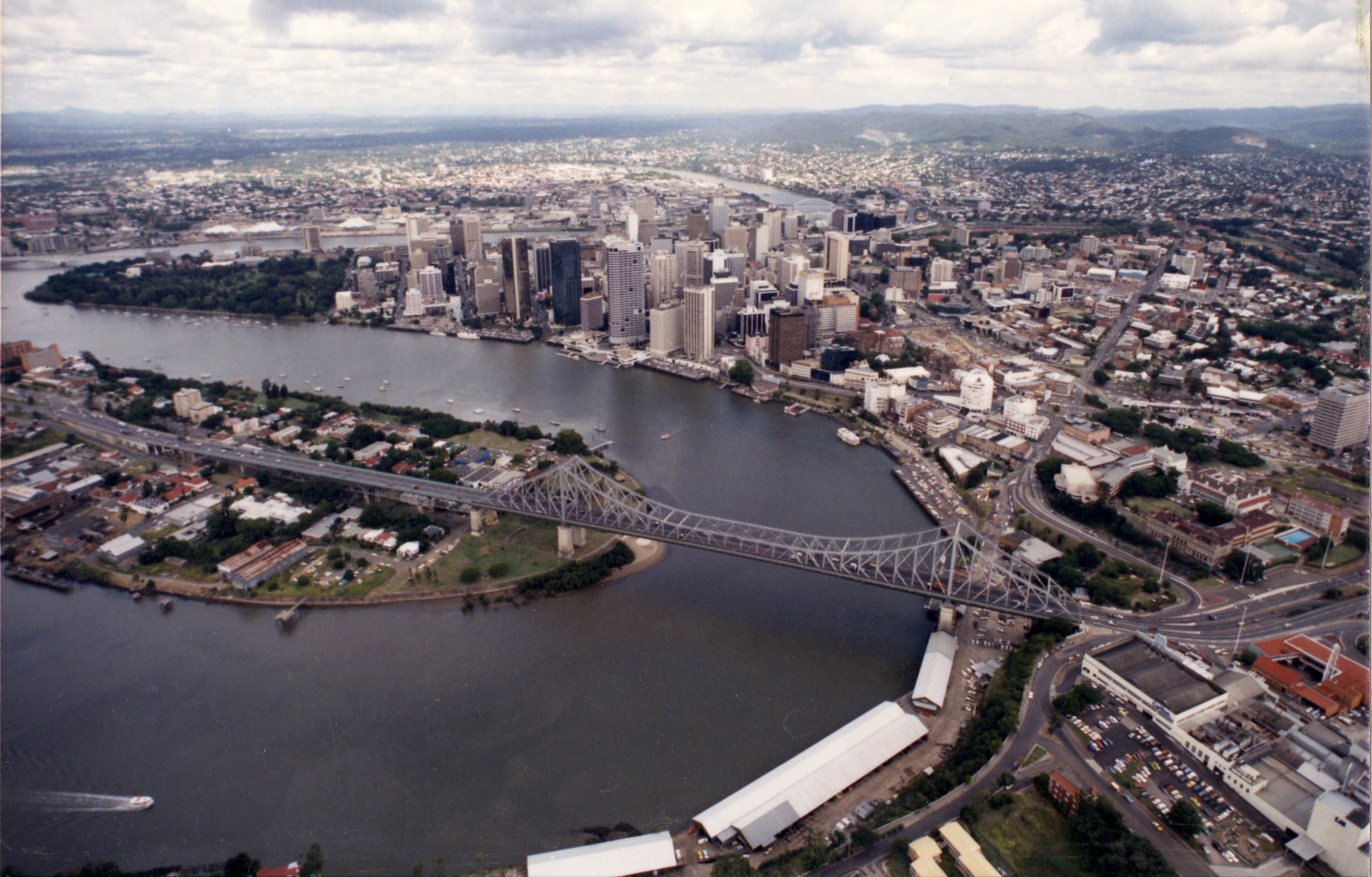
Sunshine Coast residents are navigating a shift in the local lifestyle as the region matures into a major metropolitan hub, moving beyond its traditional reputation as a quiet holiday destination. As of July 2026, the area is experiencing a notable pivot toward high-density lifestyle amenities and a culinary scene that competes directly with capital city standards.
Where the locals actually go
For those living between the coastal reaches of Maroochydore and the hinterland slopes, the consensus is clear: avoid the peak tourist zones and head toward the community-led pockets. Residents frequently cite the weekend markets at the Cotton Tree precinct as a reliable barometer for the local economy. At the Cotton Tree Markets, which operates every Sunday morning, attendees are increasingly opting for locally-produced small goods over generic retail, reflecting a broader trend of residents supporting regional enterprise.
When searching for a quiet workspace or a midweek meal, the focus has shifted toward the revitalized areas of Ocean Street in Maroochydore. Unlike the broader tourist-heavy strips, establishments in the peripheral blocks are reportedly focusing on sustainable, locally sourced menus. A common recommendation among long-term residents is to prioritize venues like those located within the Big Top Shopping Centre or the quieter cafes scattered along Duporth Avenue, where the pace reflects the actual daily rhythm of the region.
The cost of the coastal transition
Data provided by the Queensland Treasury in its March 2026 regional report indicates that housing affordability remains a primary concern for the local workforce, with the median rental price across the Sunshine Coast Council region climbing to $720 per week for a detached house. This financial reality has changed how locals approach their leisure time. Many residents are choosing to utilize public infrastructure such as the Sunshine Coast Libraries’ network and the public parks at Mooloolaba Spit, which offer high-quality amenities without the associated price tag of private tourism operators.
Looking ahead, the next phase for the region involves the ongoing infrastructure projects tied to the Sunshine Coast Public Transport plan. For residents, this means navigating significant roadworks, particularly around the Brisbane Road corridor in Mooloolaba. The practical advice from those living in the area is to allow for an extra 15 minutes of travel time during peak morning hours, specifically between 7:00 am and 9:00 am. By staying informed through the Sunshine Coast Council’s official project updates portal, locals are managing the transition with a pragmatic approach, choosing to embrace the long-term utility of these upgrades rather than focusing on the temporary inconvenience of construction.