lifestyle
Sunshine Coast Locals Reveal Hidden Winter Gems Tourists Miss
As July settles in, Sunshine Coast residents share the spots, strategies and seasonal swaps that make the quieter months their favourite time to live here.
How we reported this
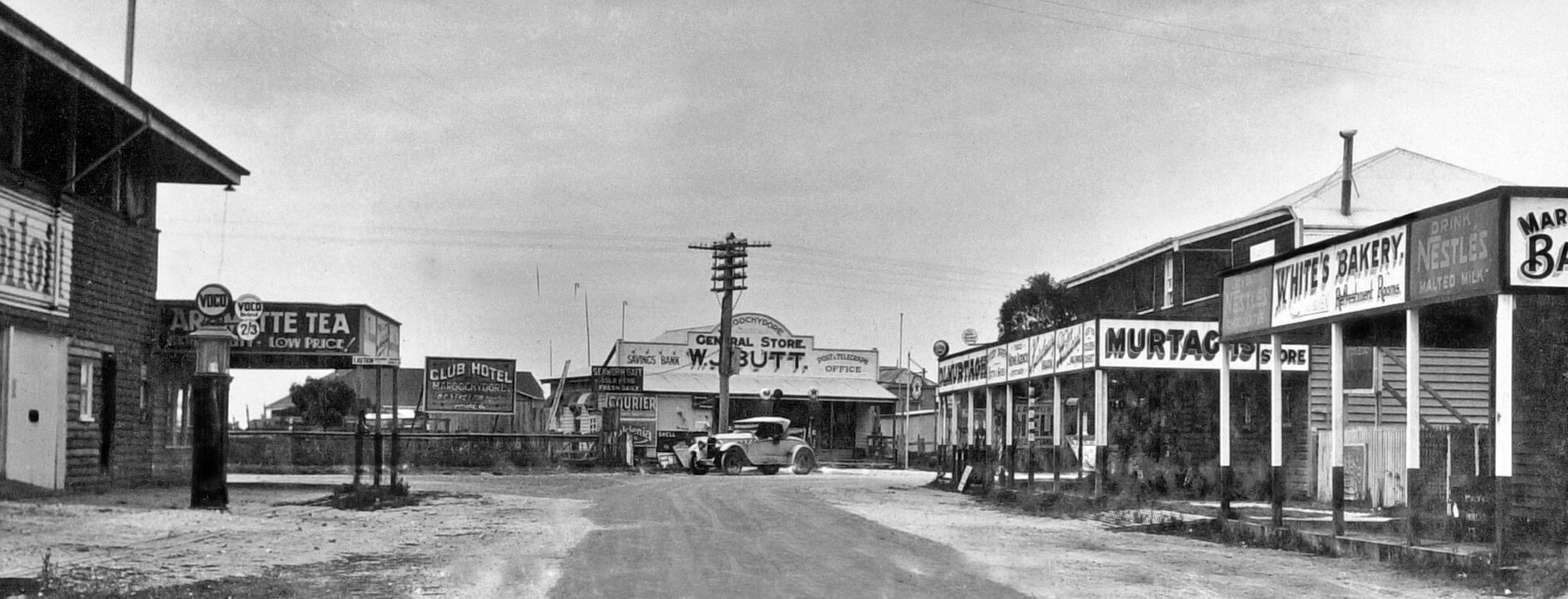
Winter has landed on the Sunshine Coast, and the beaches are finally yours again. Tourist numbers drop, accommodation prices soften, and the locals who actually live here year-round reclaim their town. But knowing where to spend your time when the summer crush fades requires insider knowledge-the kind only people who've sat through multiple seasons can offer.
The shift matters more than you'd think. July and August represent a genuine reset for coastal communities. Schools are on holidays, families relocate, and the infrastructure that groans under peak-season pressure gets breathing room. Local businesses adjust their rhythms. Restaurants that were packed at 6 p.m. in January now seat you without a two-week wait. This is when Sunshine Coast residents can actually experience the place they live.
Where locals eat and gather when it's quiet
Noosa Heads trades its Instagram-bait chaos for something closer to a working neighbourhood. The Sunshine Coast Farmers Market runs year-round at the Eumundi Markets car park every Wednesday morning, drawing locals stocking up on produce that costs more during peak season-blackberries and Brussels sprouts are currently at their best value, according to recent agriculture data, hitting around $4 to $6 per punnet at local growers. People who've lived here five years or more consistently point to the quieter weekday mornings at Hastings Street as the time to grab coffee without jostling for space.
Further south, Caloundra's beachside suburbs fill with regulars who know the winter water temperature-currently around 19 degrees-is crisp but manageable for those with a wetsuit. The Caloundra RSL Club, located on the beachfront at Battery Road, shifts from tourist magnet to genuine local hangout in the cooler months, with the lawn bowls club and dining areas hosting the people who actually have somewhere to be nearby. Mooloolaba, traditionally where visitors cluster around the Pier shopping precinct, empties enough by mid-July that the actual working waterfront becomes visible again.
The budget math changes too. A meal at a mid-range restaurant that cost $35-40 per head during school holidays in June now hovers around $28-32, with weekday specials pushing prices lower still. Accommodation rates-crucial for those hosting visiting family-drop by 20 to 30 per cent according to property market tracking data from the past three seasons.
The practical moves that define winter living here
Residents who've adapted to seasonal living make deliberate choices about what they do during the quiet months. Booking medical or dental appointments becomes feasible without six-week waits. Home maintenance that gets delayed through December and January happens in July. Local gyms report membership upticks in winter as people reclaim time they spent managing crowds or visitor expectations during peak season.
The Sunshine Coast Council's leisure centres-including those at Kawana and Caloundra-see regular users rather than holiday-camp chaos. Winter hiking in the hinterland, particularly around Kondalilla National Park near Mapleton, becomes genuinely pleasant rather than a sunrise-sprint to avoid heat. The Mountain Creek village shops, often overlooked when tourism dollars flow through Hastings Street, operate as actual community gathering points again.
The property market dynamics worth noting: first-home buyers, as national data shows, have been cautious through 2026. On the Coast, this has meant less competition for rental stock and more flexibility in lease negotiations. Long-term renters often time moves to winter months when landlords are more negotiable and inspections aren't interrupted by holiday periods.
July on the Sunshine Coast rewards people who know how to live here rather than visit here. The restaurants keep their doors open, the beaches warm you faster after a swim than they do in January, and you can actually park a car. That's when you understand why people choose to stay put.