lifestyle
Why the Sunshine Coast's park system outpaces global rivals-and what locals are doing with the space
From coastal reserves to subtropical gardens, this region has engineered outdoor living in ways that Sydney, Melbourne, and even Singapore can't replicate.
How we reported this
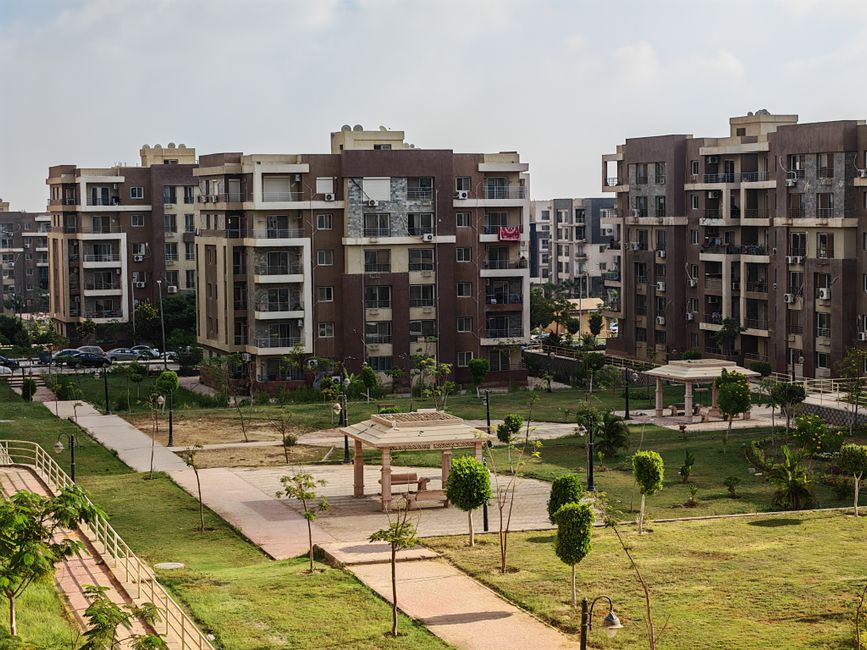
The Sunshine Coast has spent the past five years building something that most major cities struggle to deliver: accessible, strategically distributed green space that doesn't require a car to reach. The numbers tell the story. More than 2,800 hectares of regional parks and reserves now thread through the local council area, with 34 designated coastal reserves running from Coolum in the south to Noosa in the north. That density of maintained public space, relative to population, puts the Coast ahead of comparable cities worldwide.
Why does this matter now? Property prices have softened across Australia's eastern seaboard, and young families are reconsidering where to plant roots. The old calculus-city for jobs, suburbs for space-is breaking down. The Sunshine Coast offers something different: established outdoor infrastructure that actually gets used. Walk through Maroochy Regional Bushland Botanic Garden on a winter morning and you'll see what that means in practice. Regulars move between native plant collections and wetland boardwalks as casually as others might use a corner coffee shop. The garden attracts 150,000 visitors annually, according to the regional council's latest usage data.
A subtropical advantage the others can't copy
Melbourne's Parks Victoria system is comprehensive but relies heavily on winter dormancy. Sydney's coastal reserves are stunning but gridlocked with foot traffic from 5.3 million people within an hour's drive. The Sunshine Coast has 316,000 permanent residents and a climate that keeps subtropical gardens producing 12 months of the year. That means Alexandra Headland's beachfront park stays vibrant through winter, when similar spaces in southern capitals feel barren. Buddina Beach Reserve, refurbished in 2023 with upgraded pathways and shaded seating areas, now logs around 8,000 weekly visits during the cooler months-a spike the council didn't anticipate when they budgeted for the $2.1 million renovation.
The real distinction, though, lies in distance. Most residents live within 2 kilometres of a major park. Noosa's national park entrance sits 15 minutes from the town centre. Caloundra's Bulcock Beach Reserve-with its Tuesday farmers market and casual barbecue culture-is embedded in the local fabric rather than treated as a weekend destination. Compare that to Singapore, where highly efficient parks serve a compressed city but require deliberate transport choices, or London, where green space is plentiful but spread across a metropolitan area of 9 million people.
What's actually happening in these spaces
The shift toward remote and flexible work has transformed how these reserves function. Laptop workers camp under trees at Headland Park's shaded zones. Fitness groups use the botanical gardens' open lawns for classes three times weekly. The regional council recorded a 41 percent increase in park usage between 2022 and 2025, a surge that outpaced population growth of just 8 percent in the same period.
That usage spike is forcing real decisions. The council is currently drafting a $18 million parks activation strategy through 2031, including expanded barbecue facilities, improved lighting along walking trails, and water-play zones designed for Sunshine Coast's humid summers. Budgeting decisions published in June show $3.4 million allocated to accessibility upgrades-wider pathways, accessible playground equipment, and shade structures in high-traffic areas.
For anyone considering a move here, the parks matter less as tourist destinations and more as everyday infrastructure. A family with young children in the Mooloolaba area has four dedicated parks within walking distance-something Melbourne residents need to drive 20 minutes to access, and Sydney residents even longer. That proximity is reshaping how people spend weekends and how neighbourhoods function. It's not revolutionary, but it's increasingly rare at this scale in major cities. The question for council planners now isn't whether the parks are working-the usage figures confirm they are. It's whether infrastructure can keep pace with demand.