lifestyle
The faces behind Sunshine Coast's expat boom: who's actually moving here and why
As property prices cool across Australia, overseas workers are discovering the Gold Coast hinterland-and locals are learning what it takes to welcome them properly.
How we reported this
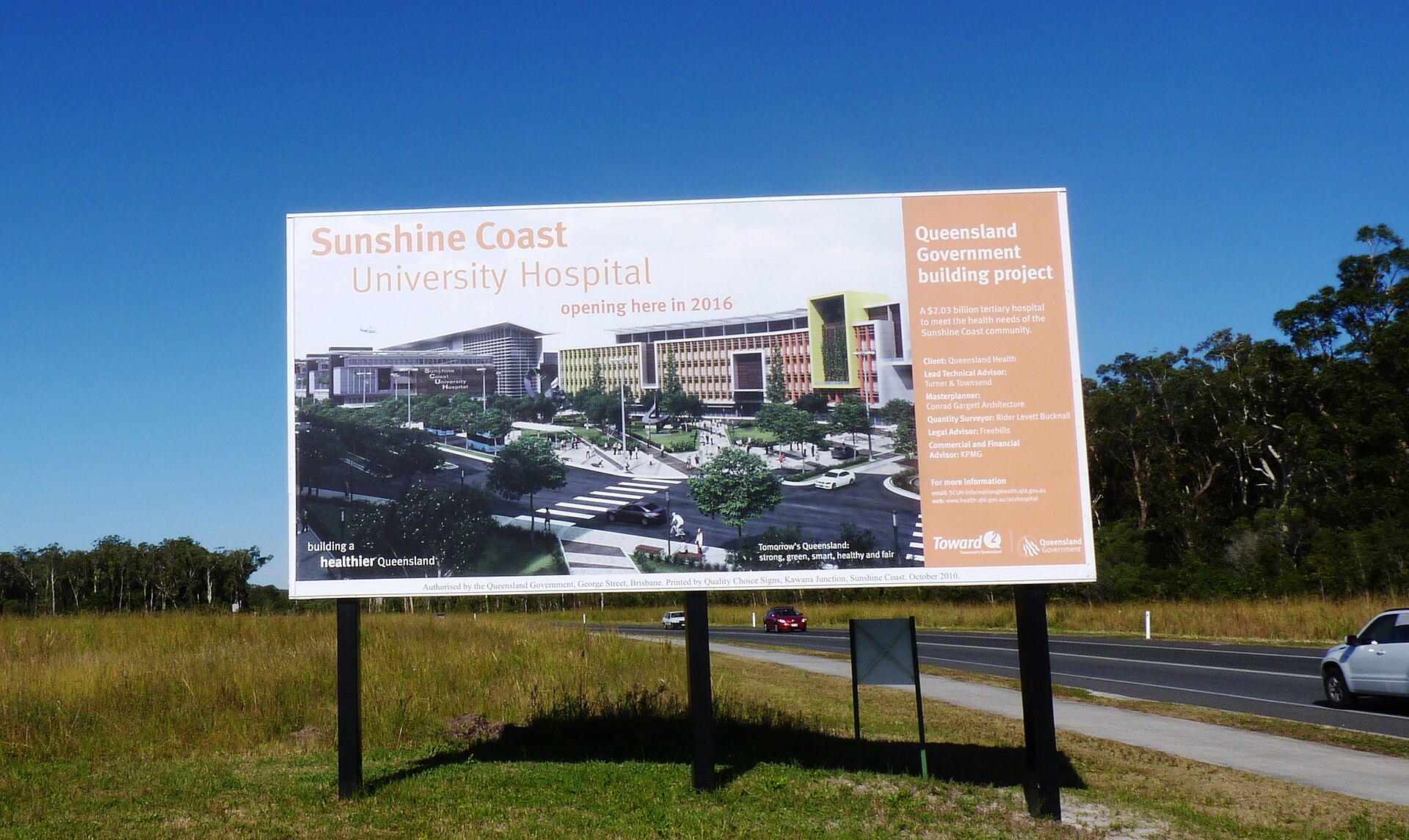
Sunshine Coast real estate agents are fielding calls from places they'd never heard of six months ago. Singapore. Toronto. Dubai. The pattern is unmistakable: expat families are arriving in larger numbers than the region has seen since the mining boom of the early 2010s, drawn by the same conditions that have left first-home buyers sitting on the sidelines-lower entry prices and a lifestyle that doesn't require a five-figure mortgage payment to access.
The timing matters. Australia's property market has shifted measurably since early 2026. Median house prices on the Sunshine Coast fell 3.2 percent in the first half of the year, according to real estate data released last month, making a four-bedroom house in suburbs like Buderim or Mooloolaba suddenly achievable for families on professional expatriate packages. Meanwhile, corporate relocation consultants report a 41 percent spike in inquiries from multinational employees posted to Southeast Queensland over the same period. The region's appeal has never been purely financial-the temperate winters, beaches within 15 minutes of the hinterland villages, and a roster of schools accepting international transferees all factor into the calculus. But affordability has become the deciding factor.
Sarah Thomson, who runs relocation services through her Noosa-based firm Global Moves, said her phone started ringing differently around March. "We were handling three or four families a month. Now we're at twelve," she said. Thomson works with companies moving employees to regional offices and their families scrambling to understand everything from school enrolment timelines to which suburbs have the fastest internet. Her clients are predominantly in professional roles-finance, technology, engineering-and many have previous Australian experience but none on the Sunshine Coast specifically.
Finding your footing in unfamiliar terrain
The practical hurdles hit newcomers fast. Getting children into Sunshine Coast Grammar or Suncoast Christian College requires navigating different curriculum frameworks than most international schools. Registering a car at the Maroochydore service centre demands an Australian driver's licence, which takes weeks. Finding a GP accepting new patients has become difficult enough that some families are using telehealth services through their company's expat health plans instead. Thomson's firm has started offering a packaged orientation that includes three months' accommodation in Coolum, helping families take their time finding a permanent place rather than making rushed decisions during the first fortnight.
The Sunshine Coast Regional Council's economic development office doesn't formally track expatriate arrivals, but anecdotal evidence suggests they're concentrated in specific pockets. Buderim has attracted finance professionals relocating from Hong Kong. Mooloolaba has seen an influx of tech workers and their families. Noosa remains predominantly wealthy Australians and British retirees, though that's shifting. Alexandra Headland and Coolum have become popular with families seeking proximity to beaches but lower density than coastal hubs.
Local schools have noticed. Suncoast Christian College enrolled 34 international students at the start of the 2026 academic year, up from 22 in 2025. The Year 7 intake alone included students from Indonesia, Malaysia, Hong Kong, and the UAE. Principal David Hartley said the school has added orientation sessions for new international families arriving mid-year, addressing culture shock and social integration in ways the school didn't routinely do five years ago.
What comes after the honeymoon ends
The region will have to think carefully about whether this influx strengthens or strains local communities. Expat families typically stay between three and five years on assignment. They tend to cluster in certain suburbs, which can create parallel communities rather than integrated ones. They have money to spend on education and housing, which raises prices in affected neighbourhoods. They leave, and the cycle repeats.
Thomson said the families she works with are genuinely interested in belonging to the Sunshine Coast rather than treating it as a holding pattern between postings. They enrol their kids in local sports clubs. They take weekend jobs at farmers markets in Eumundi. They're learning about Aboriginal cultural sites around Noosa and the conservation work happening at the Sunshine Coast hinterland reserves. Whether those connections solidify into lasting relationships, or whether the Sunshine Coast becomes merely a line item on a corporate résumé, depends largely on how deliberately the region invests in welcoming them-and on whether locals see them as community members rather than temporary renters.