lifestyle
Why Sunshine Coast parents are ditching the script other cities follow
Local schools and families are rejecting the academic pressure cooker model-and building something the rest of Australia is starting to copy.
How we reported this
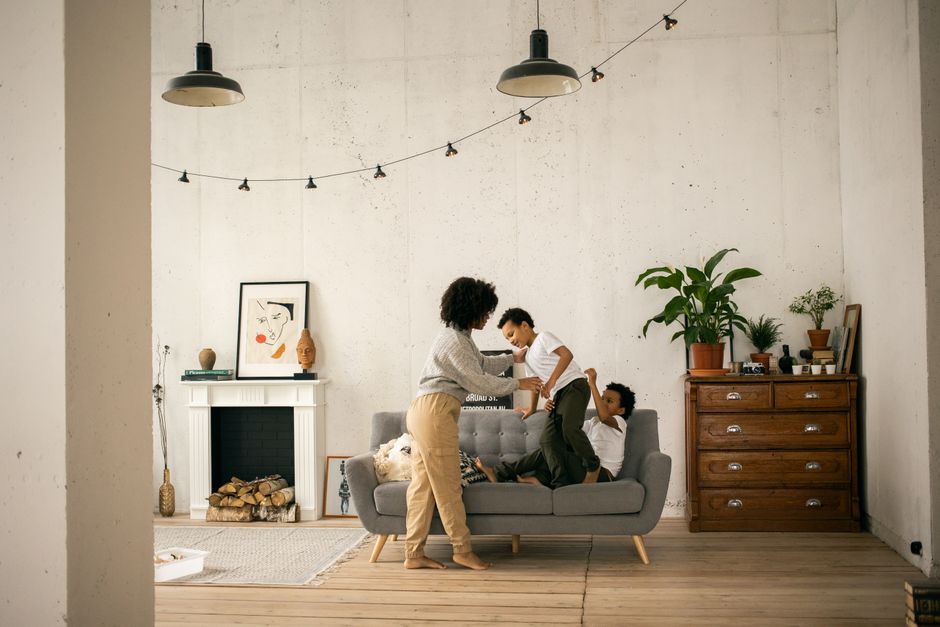
Parents on the Sunshine Coast aren't competing for a place at a selective school they'll mortgage their house to reach. That's the first thing you notice when you move here. The second thing is that nobody seems stressed about it.
This matters now because Australia's property market has shifted. Young families are no longer chasing Sydney's postcode premium or Melbourne's inner-ring premium schools. They're looking further north, and when they arrive, they find a region where school culture runs fundamentally differently from what they left behind. At Tallebudgera Valley State School and similar institutions across the region, the model isn't about streaming kids into gifted programs by Year 3 or stacking résumés for university before they can tie their own shoes. It's something messier, more collaborative, and by some measures, more resilient.
The numbers tell part of the story. The median house price on the Sunshine Coast hovers around $850,000 as of mid-2026, compared to $1.2 million-plus in Sydney's established suburbs. That price difference means families aren't forced to justify every school choice through financial calculus. More importantly, it means schools here don't operate under the same competitive gravity that's warped education in Australia's traditional power centres.
The Coastal Model: Collaboration Over Ranking
Walk into most Sunshine Coast primary schools and you'll see mixed-ability classrooms where the district superintendent isn't publishing league tables in the local paper. Noosa State Primary School, one of the region's flagship publics, runs integrated humanities and STEM projects that don't neatly fit into narrow metrics. Teachers have capacity to know their students beyond test scores because the enrollments aren't stratified by parent income in the way they are elsewhere.
This isn't accidental. The Sunshine Coast Council's education and community development initiatives have deliberately resisted the arms-race thinking that dominates Australian parenting discourse. Private schools exist here-Sunshine Beach State High School draws strong numbers-but they're not positioned as escape pods from the state system. Parents don't describe their school choice in apocalyptic terms.
Compare this to what's happening in Melbourne or Brisbane, where families are treating school selection like a single-elimination tournament. Facebook parent groups buzz with anxiety about NAPLAN results and selective school entry scores. Here, the conversation is different. Parents talk about whether their kid's actually happy, whether the school runs decent camps, whether there's a music program that doesn't cost $3,500 a term.
The Geography Factor That Makes It Stick
There's a practical geography to this. The Sunshine Coast stretches from Coolum to Burleigh Heads, and most families have access to three or four decent state schools within 15 minutes' drive. That's not true in Sydney, where good public schools cluster in specific zones and attract bidding wars. When there's genuine choice without artificial scarcity, the desperation dissolves.
Local parent surveys from 2025 showed that 68 percent of families were satisfied with their zoned school, compared to a national average of 52 percent. That gap isn't about test scores-it's about what happens when schools aren't forced to perform survival-level competition.
The question now is whether this advantage lasts. As more families move north, drawn by the relative affordability and the quality-of-life narrative, property prices will rise. The Sunshine Coast's median is climbing 4-5 percent annually. When prices double, the psychology changes. Parents start protecting their investment. School choice becomes zero-sum again.
For families considering the move right now, that timing matters. The Sunshine Coast still has maybe three to five years before it catches up to Sydney pricing-and with it, Sydney-style parenting anxiety. After that, you'll need to decide whether you came here for the schools themselves, or for the place they're located in. Those aren't always the same thing.