lifestyle
Why expats are choosing the Sunshine Coast over London, Singapore and Vancouver
A perfect storm of affordable housing, year-round weather and genuine community is drawing global professionals to Queensland's coast-but the window of opportunity is closing fast.
How we reported this
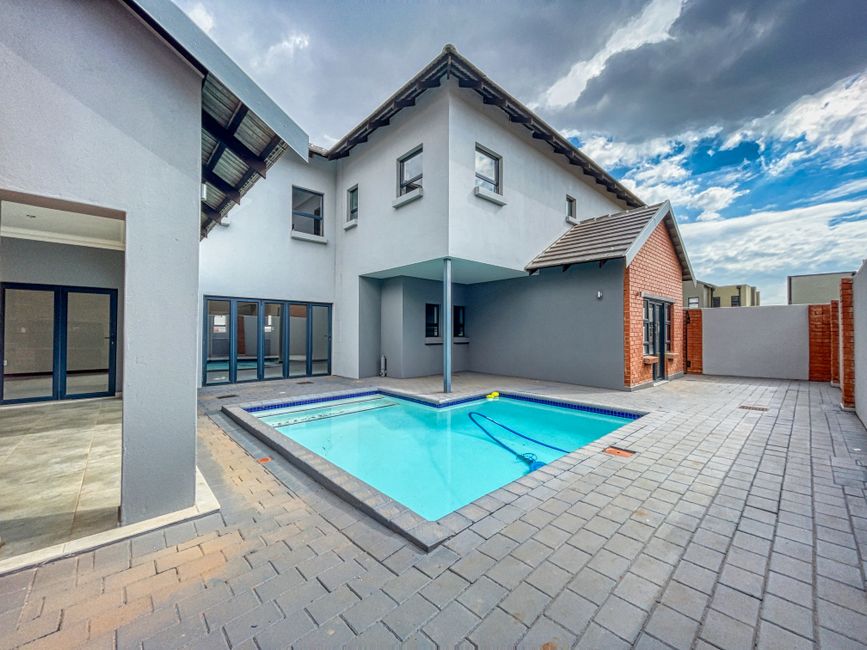
Property agent Sarah Chen fielded three international inquiries before 9am last Tuesday. One caller was relocating from London. Another had just left Toronto. A third was exiting Singapore's stifling humidity and cost of living. All three asked the same question: can they actually afford to live here?
The answer, for now, is yes-and that's precisely why the Sunshine Coast is becoming the unexpected alternative to the world's traditional expat havens. While London faces a stamp duty squeeze, Singapore's apartments breach $2 million AUD, and Vancouver's rental crisis deepens, the Sunshine Coast offers something increasingly rare: genuine affordability coupled with genuine quality of life.
The shift reflects a broader recalibration in how global workers choose where to live. Property prices here are climbing, but median house values hover around $895,000 compared to $1.2 million in Melbourne and $1.8 million in Sydney. Rental apartments in Noosa Heads and Mooloolaba still start at $400 a week, a fraction of what London or Toronto demand. For dual-income couples working remotely-a cohort that expanded dramatically post-2023-the math becomes compelling.
"We're seeing families arrive who've done the calculation," says Michael Rogers, director of the Sunshine Coast Business Council. "They realise they can work for London salaries, pay Australian taxes, and live substantially better than they could in the Northern Hemisphere."
The specifics: why this coast, not that one
What separates the Sunshine Coast from other Australian cities involves geography and deliberate planning. Noosa Junction has cultivated a village-scale shopping precinct that feels European-narrow laneway access, mixed-use development, local independent retailers-without the gentrification fatigue of similar precincts in Melbourne's inner suburbs. Mooloolaba's beachfront promenade, developed through careful heritage overlay zoning, maintains residential character while offering restaurant density that rivals much larger cities.
The Noosa Masters Games, now in its third decade, signals serious infrastructure commitment. Caloundra has invested in the Sunshine Coast Airport expansion corridor, positioned to handle increased international traffic. These aren't accidental amenities. They reflect local council planning decisions made 10-15 years ago that are only now paying dividends as global demographics shift.
International schools matter too. Sunshine Coast Grammar, Merrimac Montessori, and Sunshine Coast Christian College offer curricula that satisfy expat families seeking continuity-crucial for parents juggling work relocation with children's education. That's a concrete differentiator from smaller regional alternatives.
The clock is ticking
But the window is compressing. Property prices are accelerating. The median house price climbed 18 percent in the 12 months to June 2026, according to Real Estate Institute Queensland data. Rental demand is pushing weekly rates toward $500-550 in premium areas. Gold Coast competition to the south-buoyed by corporate relocations and investment fund interest-is intensifying pressure on available stock.
Established expat networks matter. The Sunshine Coast International Club, based in Maroochydore, now hosts monthly events that draw around 80-120 attendees. Facebook groups dedicated to "expats on the Sunshine Coast" number in the tens of thousands. These informal channels function as early-warning systems and social anchors for newcomers.
Immigration agents and relocation consultants report a genuine uptick in skilled migration visa applications from North American and European professionals seeking Sunshine Coast sponsorship. Unlike five years ago, when most international arrivals were retirees seeking golf and low taxation, the new wave includes software engineers, financial advisors, and healthcare professionals in their 30s and 40s.
The honest assessment: the Sunshine Coast works best for those making the move within the next 18-24 months. Prices are moving. Population growth forecasts suggest an additional 30,000 residents by 2031. The calculus that makes it attractive-that exotic beach lifestyle meets Western salary purchasing power-faces erosion as development accelerates. For expats serious about the Sunshine Coast, the time isn't next year. It's now.