lifestyle
Sunshine Coast Defies Australia's Housing Crisis: First-Home Buyers Still Find Affordable Homes
As first-home buyers freeze across the country, our region's unique blend of affordability, lifestyle appeal and smart planning is creating a different property story.
How we reported this
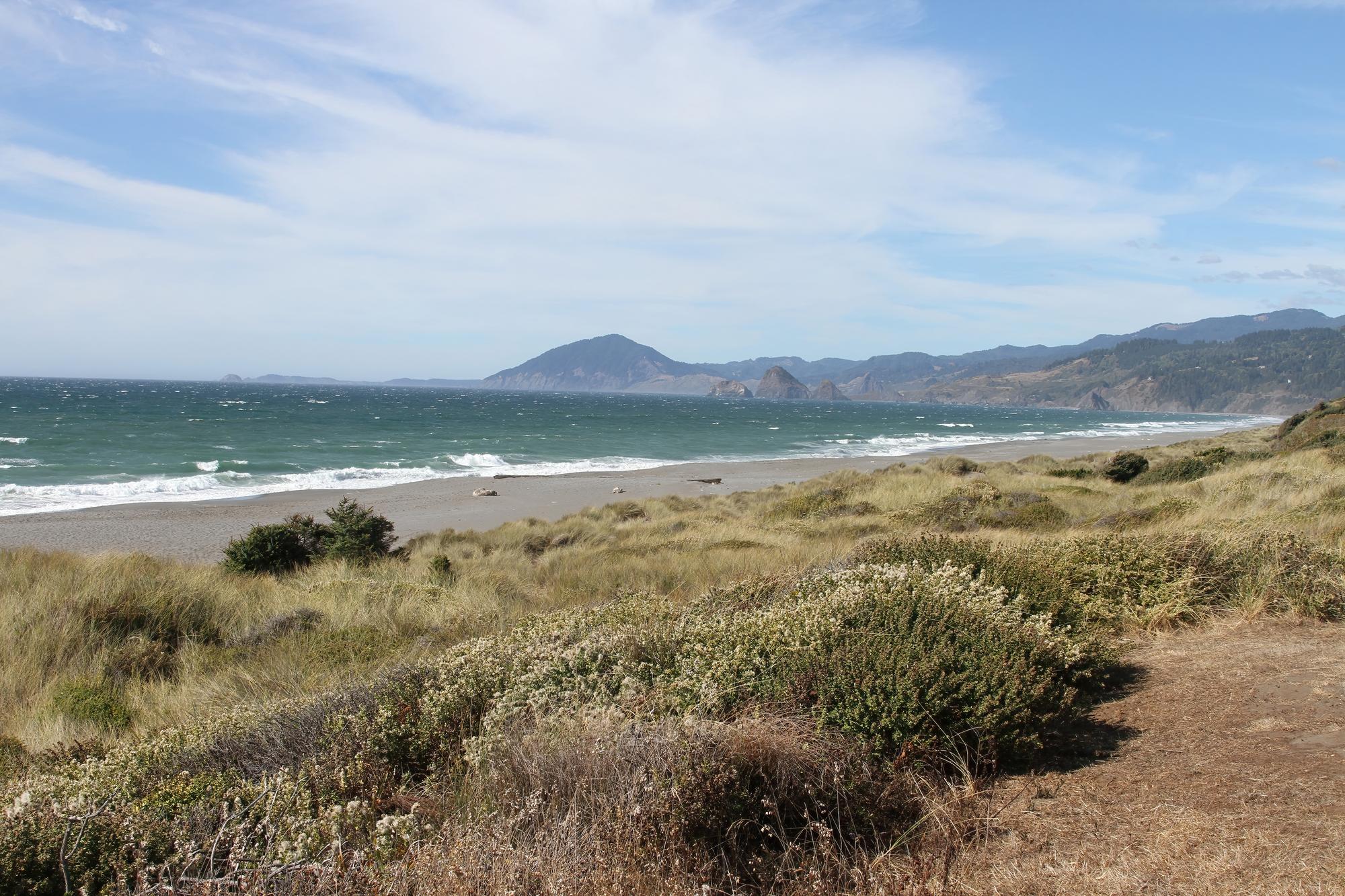
The Sunshine Coast is quietly outpacing Melbourne, Sydney and Brisbane on one metric that matters most to young Australians right now: getting your foot on the property ladder without selling a kidney.
While first-home buyers across the country are backing away from auctions-median house prices in Sydney hit $1.32 million and Melbourne crept toward $900,000-the Sunshine Coast's median sits below $750,000 and has held steady for the past six quarters. That gap isn't accidental. It reflects something these rival cities struggle to replicate: a deliberate balance between growth and liveability that actually makes housing feel achievable.
The contrast matters now because Australia's property market is convulsing. Young people are deferring purchases, moving regional, or simply giving up. The Reserve Bank's latest data shows first-home buyer numbers dropped 22 percent year-on-year in May. It's a national headache. But on the Coast, the story reads differently.
How planning shaped a different path
Part of the answer lies in planning decisions made two decades ago. The Sunshine Coast Regional Council's town centre strategy, locked in around 2003, created nodal development hubs rather than sprawl. Maroochydore, Mooloolaba, Caloundra and Noosa each have defined commercial and residential cores. This prevented the endless fringe expansion that crippled affordability in Brisbane's western suburbs or Sydney's outer ring.
The Maroochydore Town Centre, anchored along Cotton Tree Drive, became the region's focal point-not Surfers Paradise-style high-rise chaos but mixed-use density with actual transport links. The council's strategy capped residential growth in sensitive coastal areas while concentrating apartments and townhouses near commercial nodes. Brisbane and Sydney largely abandoned this disciplined approach by the 2010s, opting instead for investor-led sprawl.
Calundra's foreshore redevelopment, which kicked off in 2019, followed similar logic: new housing delivered near shops, cafes and the beach without turning the suburb into a developer's playground. Compare that to the Gold Coast's Surfers Paradise, where units stacked vertically with zero community infrastructure, or western Sydney suburbs where roads couldn't keep pace with population.
The lifestyle factor Melbourne forgot to preserve
There's also a lifestyle component that sounds obvious but proves decisive. The Sunshine Coast is 90 minutes from Brisbane's job market but maintains something Melbourne and Sydney shed: genuine outdoor culture tied to actual geography rather than marketing.
Noosa Heads isn't a theme park. It's a working beach town where locals still outnumber investors. Alexandra Headland delivers consistent 1.5-metre beach breaks without Instagram crowds. The hinterland-Montville, Mapleton, Maleny-remains aggressively agricultural, blocking rural-residential sprawl that typically kills affordability.
When potential buyers visit Melbourne's beachside suburbs or Sydney's Northern Beaches, they're pricing in scarcity and investor demand. The Sunshine Coast offers something harder to commodify: actual space. Houses come with yards. Blocks average 650 square metres in Buderim compared to 425 in inner-city Melbourne. Schools aren't oversubscribed by five-to-one ratios.
Real estate agents report spring activity has ticked up since May. Young families-particularly those switching from Melbourne roles to remote work-are moving north. A three-bedroom cottage in Dicky Beach runs $640,000. The same money buys a renovated weatherboard with a deck. In Cronulla, you're looking at $1.1 million for identical properties.
The Council's sustainability plan, updated in 2024, doubled down on this model. New developments must include public space requirements, public transport infrastructure, and local employment targets. It's land-use management that actually restricts supply without creating artificial scarcity.
First-home buyers considering a shift north should expect competition to stiffen over the next 18 months. The regional market's advantage is finite. Once other states' young people notice the gap between a Sunshine Coast house and a Sydney one, demand will spike. If you're serious about property, autumn is still the sweet spot-interest rates are holding, listings are available, and the financial equation still works in your favour.