lifestyle
Your Neighbourhood is Worth Exploring: A Resident's Guide to Getting the Most Out of Sunshine Coast Living
From Mooloolaba's beachfront to Noosaville's riverside culture, locals who take time to map their patch discover hidden venues, weekly markets, and community networks most visitors miss.
How we reported this
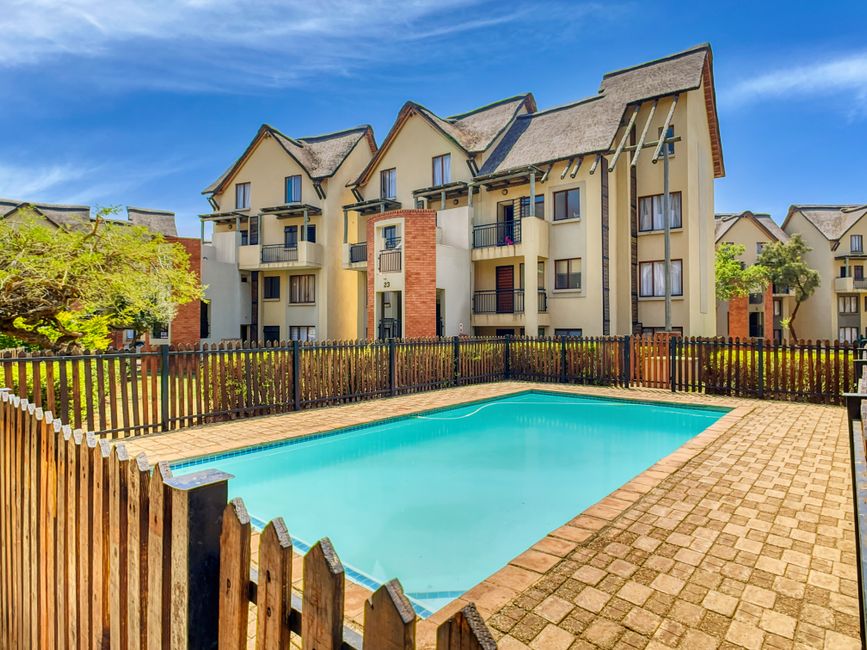
Most people who move to the Sunshine Coast arrive with a mental map drawn from real estate listings and Instagram posts. What they discover after six months is that the neighbourhood they chose-whether it's Buderim's hinterland streets, Caloundra's beachside charm, or Maroochydore's retail sprawl-contains far more than the obvious landmarks.
The shift matters now because property values on the Coast have stalled. First-time buyers who locked in mortgages during the 2022 boom are staying put rather than trading up, while renters are settling longer in suburbs they initially viewed as temporary. That stability creates an opportunity: people who commit to knowing their neighbourhood actually build social ties, discover local businesses, and spend less money chasing experiences further afield.
Take Mooloolaba as a case study. Most residents walk to the beachfront, the pier, and the Sunshine Coast Council's main libraries and community spaces. Fewer venture down Mooloolaba Esplanade's side streets to discover The Lantern Bookshop (established 1986, still independently owned), or know that the Mooloolaba Community Market runs on the second and fourth Saturday of each month at Thelma Bush Park. A fifteen-minute walk inland from the beach sits Eumundi Markets, technically in a different suburb, but the collection of artisan grocers, plant nurseries, and food stalls there operates year-round, not just on market days.
Noosaville operates differently. The river precinct attracts most foot traffic, but locals who explore the side lanes around Noosa River Road and Hastings Street uncover a working creative community. Independent galleries, framing workshops, and the Sunshine Coast Arts Centre (located at 8 The Esplanade) host resident exhibitions and skill-sharing classes. A 2024 survey by Noosa Shire Council found that 62% of residents in the Noosa postcode codes had never attended a council-run community event, despite 47 different programs running annually across fitness, craft, and youth categories.
Building Your Local Map
The practical work starts small. Spend one afternoon walking a single street you've never properly explored. Stop at the local café, newsagent, or community noticeboard. Most Sunshine Coast suburbs now host multiple weekly or fortnightly community gatherings-Buderim Community Centre runs a Thursday morning coffee meetup; Caloundra Library hosts a writer's workshop; the Maroochydore RSL runs a regular trivia night that draws 80-120 people most weeks. None of these require membership fees.
Map your nearest independent grocer separately from the supermarket chains. A 2026 Sunshine Coast Food Swap survey found residents who shopped at neighbourhood fruit and veg stores rather than major supermarkets saved an average of $8-12 per week, partly because seasonal produce costs less at source. Blackberries and Brussels sprouts are at peak value right now-exactly what your local green grocer will have stocked.
Join or start a local WhatsApp or Facebook group. Most Sunshine Coast suburbs now have active private community groups with 200-800 members sharing everything from lost pet alerts to recommendations for plumbers, electricians, and childcare providers. These networks save money and build the informal safety nets that keep people rooted in one place.
The Money Argument
You moved to the Sunshine Coast partly because housing felt more affordable than Melbourne or Sydney. Protecting that advantage means spending deliberately. A resident who discovers three local restaurants instead of rotating between the same five chains, who buys one coffee per week at a known local café instead of three at chain stores, and who attends a weekly community event (often free or $5-10) instead of driving to an entertainment precinct 20 kilometres away, saves roughly $1500-2000 annually. Over a five-year residential stay, that's meaningful money.
Start this week. Pick your neighbourhood's main street. Walk it. Stop. Ask someone working there what they'd recommend. Write down three names. Go back next week and use one of them. That's how people stop being residents and start being neighbours.