finance
Oil price spike offers lift to resources holdings for Sunshine Coast investors
WTI crude's jump to US$74.54 hands gains to energy-exposed portfolios while the ASX 200 inches to 8,728.
How we reported this
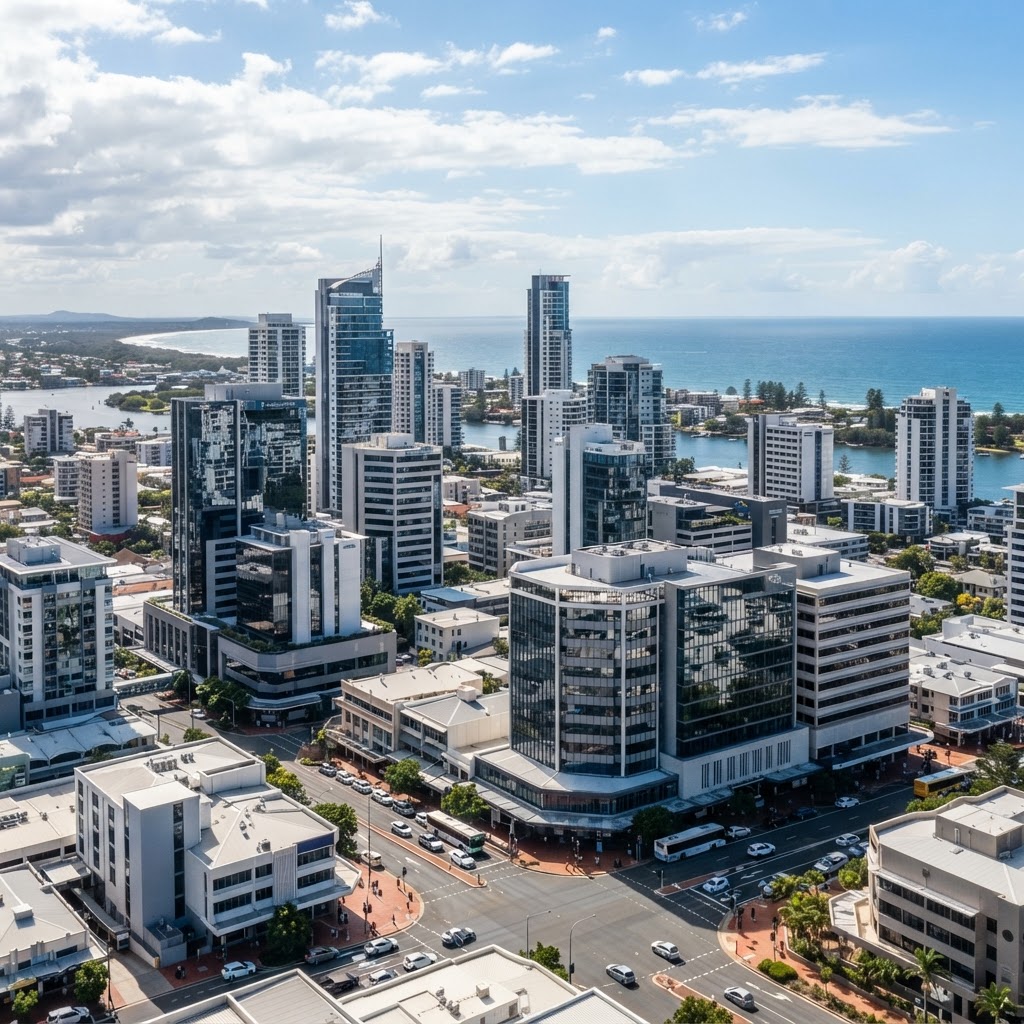
The ASX 200 closed at 8,728, up 0.04 per cent, as a sharp rise in oil prices drew attention to resources holdings held by local superannuation accounts. WTI crude climbed 8.52 per cent to US$74.54, outpacing moves in gold, which fell to US$4,077 an ounce, and bitcoin, which slipped to US$61,713. Australian Retirement Trust members with allocations to energy and resources stand to capture the direct effect through their diversified equity sleeves.
Sunshine Coast portfolios carry measurable exposure to the resources and energy sectors, alongside tourism operators that face higher fuel costs when crude advances. The infrastructure pipeline across the region, including road and port upgrades, continues to draw capital from super funds that track the broader All Ordinaries index, which finished at 8,928. Higher oil revenues can support state royalties that in turn fund those projects, creating a feedback loop for investors already positioned in listed contractors.
Energy tilt rewards patient holders
Investors who maintained overweight positions in energy names through recent volatility now see mark-to-market gains that offset softer moves in technology and consumer discretionary stocks. The Nasdaq Composite's 1.31 per cent decline to 25,871 underscores the divergence, while the S&P 500 slipped 0.22 per cent to 7,483. Local financial advisers report steady inflows into balanced funds that blend resources with the region's tourism and property assets, reflecting a preference for commodity-linked income over pure growth bets.
Currency movements added a modest tailwind. The Australian dollar rose 0.26 per cent against the US dollar to 0.6934, trimming the cost of imported equipment for infrastructure contractors yet leaving export revenues from resources largely intact. Mortgage holders on variable rates linked to bank bill benchmarks have seen limited pass-through so far, though sustained oil strength could feed into inflation prints that influence future rate settings.
Regional tourism operators, already navigating seasonal demand, watch input costs closely as jet fuel and diesel track the crude rally. Those with hedging programs or long-term supply contracts stand to limit margin pressure, while pure-play accommodation and leisure assets may face slower discretionary spending if petrol prices remain elevated. The net result leaves a clear split between resources beneficiaries and cost-sensitive service businesses on the Sunshine Coast.
This article is general information only and is not personal financial or investment advice. Consider your own circumstances and seek licensed professional advice before making financial decisions.