culture
From Sleepy Beach Town to Cultural Hub: How the Sunshine Coast Built Its Arts Scene in Two Decades
Once dismissed as a retirement destination, the region has quietly become one of Australia's most dynamic cultural precincts-driven by galleries, theatres, and artists who chose to stay.
How we reported this
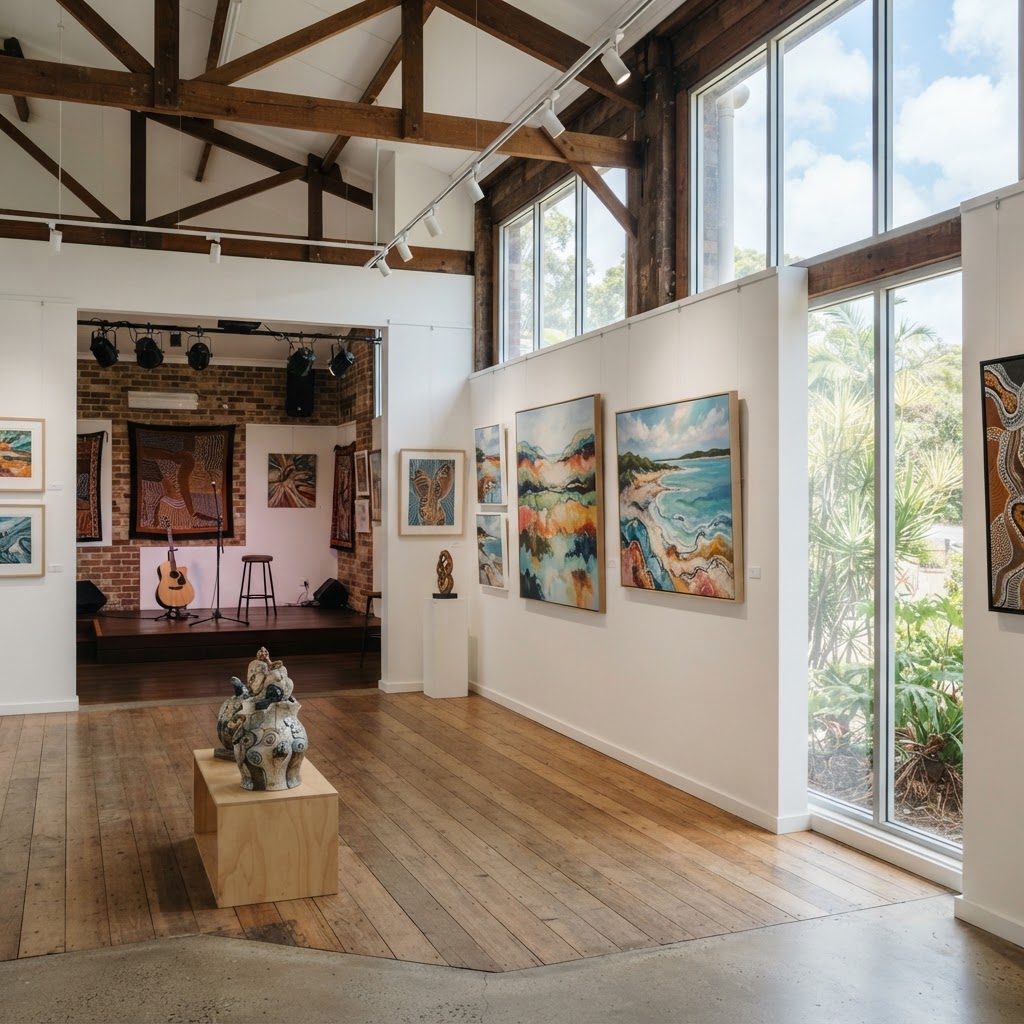
The Sunshine Coast's transformation from quiet coastal getaway to serious cultural player reads like an unlikely origin story. Twenty years ago, the region was still synonymous with beachside retirement villages and caravan parks. Today, the stretch of coastline between Caloundra and Noosa attracts touring theatre productions, hosts artist residencies, and supports more than a dozen contemporary galleries concentrated around Coolum and Noosaville.
The shift accelerated after 2010, when regional councils began investing in cultural infrastructure rather than purely residential development. Local arts organisations stopped waiting for funding to arrive from Brisbane or Sydney and started building it themselves. The Sunshine Coast has since become home to established venues like the Sunshine Coast Sinfonia (founded 2008) and grassroots collectives that operate from converted warehouses along the Noosa industrial estate.
From DIY Galleries to Institutional Weight
The actual turning point wasn't a single decision but a cluster of small moves. In the early 2010s, artist-run spaces opened in converted shopfronts along Beach Road in Coolum. The Noosa Regional Gallery, which opened its doors in 2005, remained small and locally focused until a major refurbishment in 2018 expanded its exhibition space by 40 per cent. Around the same time, independent operators like the Caloundra Regional Art Gallery began hosting emerging artist programs that attracted workers from Melbourne and Sydney willing to trade inner-city rents for studio space and beach access.
The economics worked. A modest timber studio in Noosaville's creative quarter cost significantly less than comparable studio rental in Fitzroy or Paddington by the early 2020s. Word spread. Printmakers, ceramicists, and digital artists migrated north. By 2024, the Sunshine Coast had attracted enough creative practitioners that commercial galleries began opening to serve them-not visiting tourists, but the working artists themselves.
Parallel to the studio boom, performance venues evolved. The Solstice Theatre in Maleny, which opened in 2012, shifted from hosting local drama groups to presenting state theatre tours and hosting residencies by experimental companies. The Boomerang Farm cultural precinct near Beerwah expanded its schedule of outdoor concert series from eight events annually in 2015 to 26 by 2023, according to published venue data.
A Scene Sustained by Locals, Not Tourism Marketing
What's worth examining is how the Sunshine Coast's cultural growth differs from boom-towns built on festival hype. The region never invested heavily in a single flagship event. Instead, the scene was sustained by recurring institutional presence: weekly gallery openings, monthly artist talks, ongoing artist-residency programs. The Sunshine Coast Arts Council, established in 2011, doesn't market the region as a destination-it supports local practitioners through grants and networking programs.
The 2024 Archibald Prize included a strong Sunshine Coast contingent, with three finalists maintaining studios in the region. Several were featured in the recent Young Archie competition images circulating nationally, signalling that emerging talent development has become embedded in the local infrastructure rather than occasional.
Looking ahead, the challenge is maintaining artistic integrity as property values rise. Several artist-run collectives have already relocated further inland as Noosaville rents climbed. The Sunshine Coast Council is watching similar patterns in other regional Australian cities and has begun discussing live-work zoning protections, though no formal policy has been announced.
For anyone tracking where Australian cultural production is shifting, the Sunshine Coast offers a clearer answer than most places: towards regions where artists can afford to stay, where councils fund infrastructure over spectacle, and where a working creative community is treated as permanent residents, not seasonal attractions.