culture
Sunshine Coast Hotels Fully Book as Winter Holiday Rush Begins
Hotels are fully booked, restaurants are hiring extra staff, and locals are bracing for gridlock as families flee southern capitals ahead of July holidays.
How we reported this
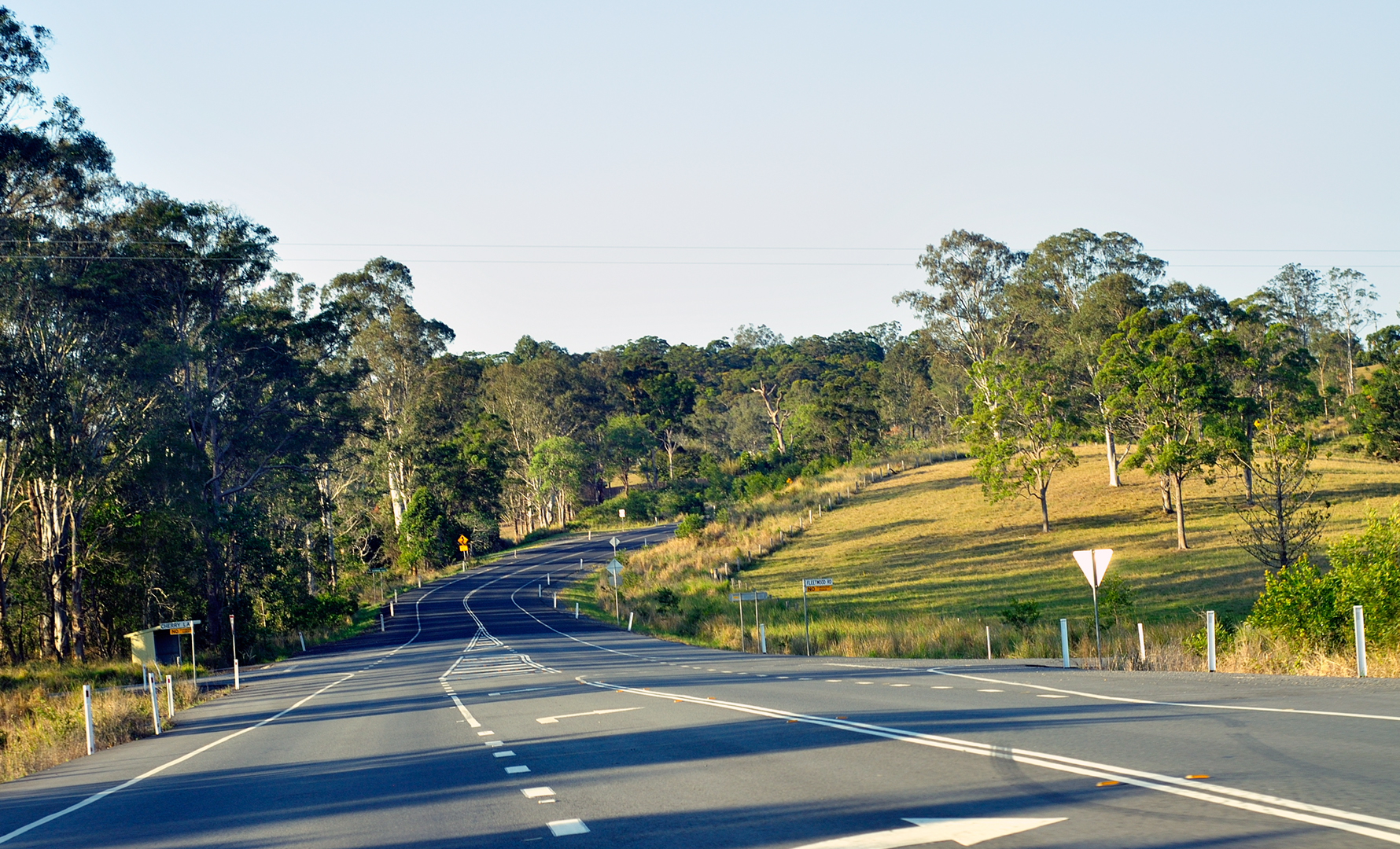
The Sunshine Coast's winter tourism machine is firing up. School holidays officially began Friday across most of Australia, and the region is already feeling the pressure-accommodation providers report near-100 percent occupancy through mid-July, restaurants have shifted to extended hours, and traffic on the Pacific Motorway has become unpredictable during morning and afternoon commutes.
This surge matters now because the Coast sits in the sweet spot between southern cold and the region's peak weather window. Sydney just recorded its hottest June since 1859, making the prospect of 23-degree Sunshine Coast days irresistible to families stuck in frost-belt suburbs. Hotel operators aren't surprised. The winter school holiday period-typically running two weeks from early July through mid-July-has become as reliable as Christmas for coastal hospitality venues.
Down on Hastings Street in Noosa, where summer feels optional and winter drives the calendar, resort managers say bookings are locked in solid. The Noosa Heads precinct, which draws crowds year-round, is expecting the kind of weekend traffic that forces locals to plan shopping trips with military precision. Further south, the Mooloolaba waterfront corridor-anchored by the Esplanade's restaurants and the Sundale Plaza shopping district-is gearing up for sustained foot traffic that typically doesn't ease until mid-July.
The Numbers Tell a Familiar Story
Tourism bodies have tracked this pattern for a decade. The Sunshine Coast attracts roughly 2.8 million visitors annually, with roughly one-quarter of that traffic concentrated in July alone. This year's numbers are tracking ahead of 2025, according to accommodation providers, partly because more families are booking earlier to secure beachfront properties. A two-bedroom apartment that runs $280 per night in May can hit $420 during peak winter weeks-a 50 percent premium that doesn't seem to deter anyone with children in tow.
Local hospitality venues are responding by bringing on casual staff. Cafes and brunch spots along the Sunshine Coast's prime eating strips are offering shift work through August, with some venues advertising start rates at $24 per hour plus superannuation. Childcare providers report similar demand spikes, with many services already full through the school holiday weeks.
The pressure extends inland. Restaurants in Coolum and Caloundra are extending dining hours, and attractions like Australia Zoo near Beerwah report booking online slots weeks in advance. Traffic management has become a semi-permanent conversation at council level. The 200-kilometer stretch between Brisbane and Noosa moves from its usual Friday-afternoon congestion into a three-hour-per-direction grind on most days through mid-July.
Planning Ahead Pays Off
For locals who haven't fled the region, the advice is straightforward: shift errands to early morning or late evening. The Sunshine Coast Hospital on Buderim has flagged wait times will increase as visiting families access emergency services. Schools remain closed until July 20, meaning playground facilities across the region will see heavy use from about 10 a.m. onward.
The flow of visitors typically sustains local businesses through winter when shoulder seasons elsewhere show weakness. Restaurants that struggled through May and June suddenly have full seatings. Retail operators hire additional registers. Parking becomes a genuine puzzle at major shopping precincts like Sunshine Plaza in Maroochydore.
By August, the rush will ease back to baseline. The holiday window closes July 20, when schools reopen across the state. But for the next three weeks, the Sunshine Coast operates at its peak-a period when the region's infrastructure, workforce, and hospitality industry are tested in real time. Those who've lived through enough winter cycles know the drill: book early, travel off-peak hours, and accept that Hastings Street at 11 a.m. on a Tuesday is not, and will not be, quiet.