culture
Sunshine Coast Live Music Venues Face Closure as Insurance Costs Soar
Independent operators are battling skyrocketing insurance premiums and noise complaints, threatening the future of local night-life as the winter circuit hits its peak.
How we reported this
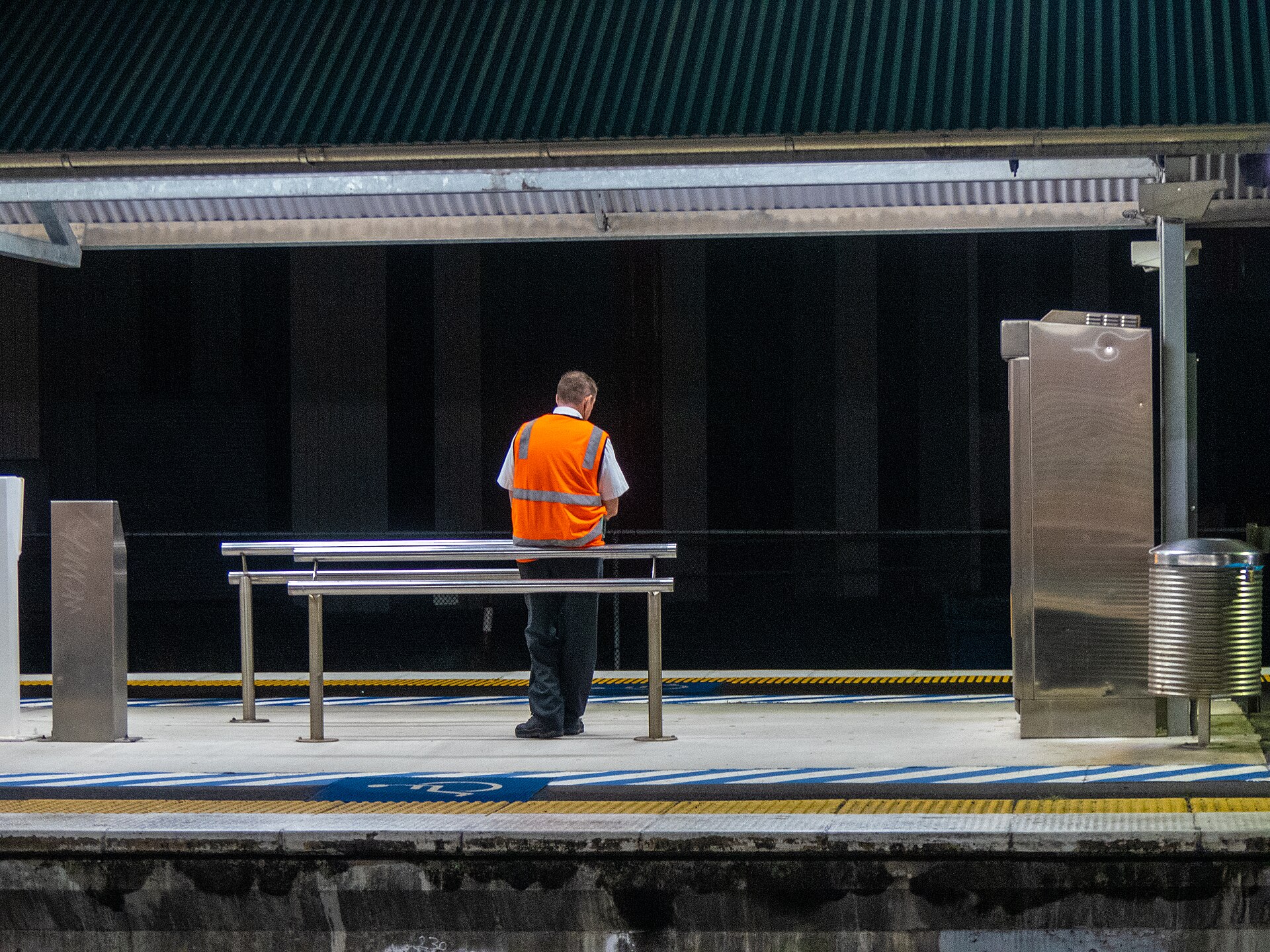
Maroochydore’s live music scene is teetering on a knife’s edge this July as a trifecta of rising insurance costs, strict noise abatement notices, and shifting patronage habits squeeze out independent operators. While crowds remain hungry for weekend shows, the overheads for small-to-medium venues have surged by an average of 22% since the start of 2026, forcing a rethink of what it actually costs to host a gig.
The squeeze on local stages
The tension is palpable at staple venues like Solbar on Ocean Street and the Imperial Hotel in Eumundi. Recent data from the Live Music Office suggests that small venues on the Sunshine Coast are now spending nearly $4,500 more per quarter on public liability insurance alone compared to the same period last year. For the owner of a hundred-capacity room, that is the difference between booking a three-piece touring act and shuttering the doors on a Thursday night. Local promoters report that talent fees have also crept upward, reflecting the broader national trend of artists needing to recoup losses from increasingly expensive tour logistics.
The issue has become a flashpoint for local council planning meetings. Residents in newly developed high-density zones near Duporth Avenue have ramped up complaints regarding sound bleed, leading to restricted curfew times for outdoor stages. The irony isn't lost on the local industry; many of these residents moved into the precinct precisely for its proximity to nightlife, only to find the sonic reality of a thriving music district at odds with their expectations of quietude.
Staving off the quiet
Not every venue is retreating, though the strategy is changing. The Venue on Aerodrome Road has opted to transition toward a hybrid model, hosting more curated, ticketed events rather than relying on free-entry walk-in trade. This shift is designed to ensure predictable revenue, but it effectively prices out the emerging local bands who once built their following through weekly open-mic nights. It is a fragile ecosystem. Without these entry-level stages, the pipeline for the next generation of Coast-based talent risks drying up before they ever reach a festival main stage.
As we head into the peak of the winter school holiday period, the pressure is mounting. Ticket prices for local shows have crept into the $35 to $55 range, a significant jump for a region that has historically thrived on affordable, spontaneous night-life. For those looking to support the scene, the message from venue managers is singular: buy your tickets in advance. The days of relying on door sales to cover a sound engineer’s shift are effectively over, and the economic reality for the remainder of 2026 is that if a show doesn't sell out by the Wednesday prior, it’s increasingly likely to be canceled altogether.