culture
From Sleepy Beachside Town to Cultural Powerhouse: How the Sunshine Coast Built Its Creative Identity
As the region marks 60 years of explosive growth, heritage institutions are racing to document-and preserve-the creative infrastructure that transformed a coastal backwater into Australia's third-largest cultural hub.
How we reported this
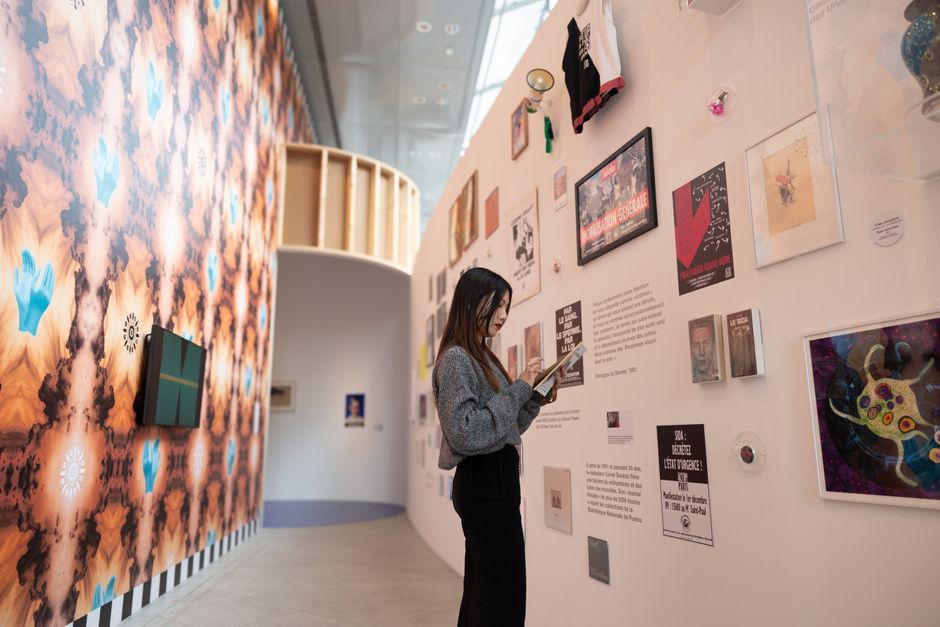
The Sunshine Coast Cultural Centre opened its doors on Aerodrome Road in Currimundi in 2008 with a target of 800,000 visitors annually. Last year, it pulled in 1.3 million people across its theatre, library, and gallery spaces. The numbers tell part of the story. The timing tells the rest.
For three decades before that building went up, the Sunshine Coast existed in Australia's cultural margins. Tourism drove the economy-families came for beaches, not for orchestras. Heritage preservation, when it happened at all, was accidental: a local remembering to photograph a timber hall before demolition, a community group fighting to save a weathered pub. The infrastructure that underpins a thriving creative scene-dedicated performance spaces, professional galleries, arts education hubs-simply didn't exist. You either got in your car and drove to Brisbane, or you did without.
Today's reality looks entirely different. Walk through Mooloolaba, and you'll find the Sunshine Coast Airport Arts Precinct anchoring the waterfront. The Gympie Street Mall in Caloundra hosts monthly live music events. Noosa Heads' Rivergold Arts Centre programs contemporary theatre alongside heritage exhibitions. These venues didn't materialize by accident. They emerged from a deliberate shift in how the region understood itself.
The Reckoning With What Got Built Over
That shift came with uncomfortable questions. Between 1965 and 2005, the Sunshine Coast's population grew from 15,000 to 380,000. Development happened faster than documentation. Heritage buildings vanished-sometimes demolished overnight, sometimes repurposed beyond recognition. The Sunshine Coast Historical Society, now housed in the Buderim Historical Village, spent years simply trying to piece together what had existed before the high-rises went up.
The Regional Council launched its Heritage Register in 2012, cataloging 450 significant sites across the Sunshine Coast LGA. That inventory became the foundation for preservation decisions. Without it, planners had been flying blind. A 2019 audit found that 180 heritage properties had been at risk of demolition in the previous decade alone-structures with cultural value that nobody was formally tracking.
Institutions stepped in. The Sunshine Coast Museum at Alexandra Headlands began oral history projects, recording interviews with longtime residents about the region's early creative communities. Volunteer-run heritage precincts in Buderim and Maleny documented arts scenes that had thrived quietly for decades-pottery studios, print collectives, experimental theatre groups operating in barn conversions and repurposed farmhouses.
Building Forward by Understanding Backward
The current cultural strategy, adopted by the Regional Council in 2023, explicitly ties future development to historical understanding. That sounds bureaucratic. In practice, it means funding the Sunshine Coast Creatives Alliance to map early arts infrastructure-and it means younger institutions like Noosa Contemporary (opened 2019) deliberately acquiring work by regional artists who came before them.
Heritage consultants now sit at planning tables. Developers must engage local historical societies before major projects move forward. The Q Theatre on Memorial Avenue in Caloundra-renovated in 2015-became a test case: preserving the 1960s art deco facade while upgrading interior systems for contemporary performance. Real estate values around heritage-listed precincts have climbed 7% faster than the regional average over five years, according to local agents. That market signal matters. It shows investors that cultural infrastructure and residential appeal move together.
The work isn't finished. Digitization of regional archives is underfunded. Stories from First Nations artists and early migrant communities remain underrepresented in formal heritage cataloging. But the conversation has shifted. The region's cultural identity-once something outsiders defined as "holiday destination"-is now something locals are actively building and protecting.
If you want to see where this is heading, check the coming months. The Sunshine Coast Museum is staging an exhibition in October titled "Before the Towers," displaying photographs and artifacts from the pre-development era. The Sunshine Coast Creatives Alliance is launching a digital archive in September documenting artist-run venues that operated between 1975 and 2005. These aren't nostalgic projects. They're infrastructure for deciding what happens next.