culture
From Summer Jazz to Year-Round Calendar: How Sunshine Coast's Festival Scene Evolved Beyond Beach Season
Three decades of cultural programming has transformed the region from a summer-only destination into a destination that attracts artists and audiences across twelve months.
How we reported this
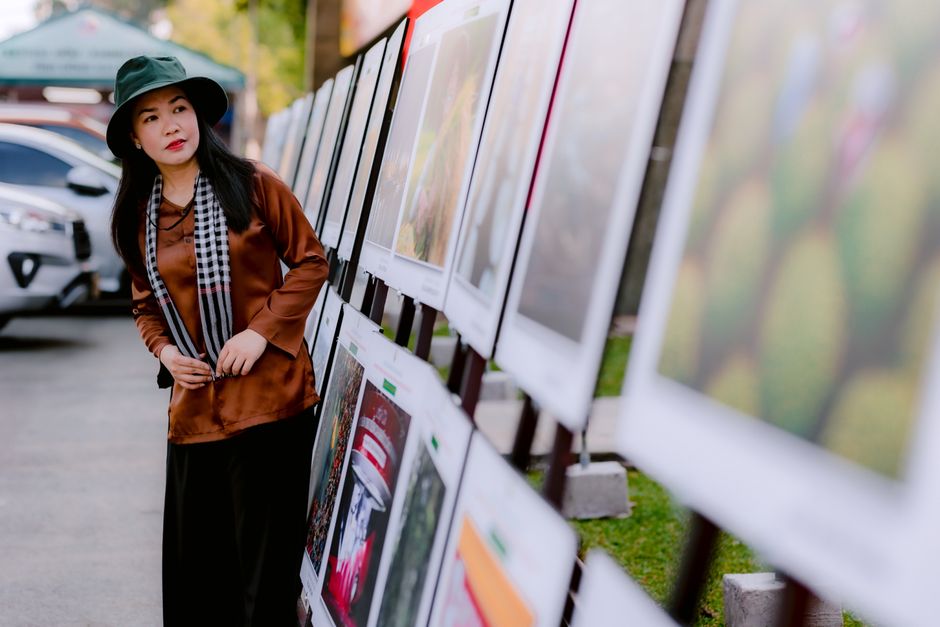
The Sunshine Coast's festival calendar looks nothing like it did in the 1990s. Back then, the region hosted the occasional jazz concert or beachside gathering. Today, the calendar sprawls across 365 days with dozens of events anchoring the economy and cultural identity of a region that stretches from Caloundra to Noosa.
This shift matters now because the local events industry is competing harder than ever for tourist dollars and audience attention. With property prices cooling statewide and first-home buyers hesitant about investment, regional economies like the Sunshine Coast are relying on cultural infrastructure to justify visitor spending. Festival attendance drives accommodation bookings, restaurant covers, and retail traffic. The Sunshine Coast's transformation from seasonal to year-round programming reveals how regional cities have adapted to remain relevant in a fractured entertainment landscape.
The Bleach Festival, which launched in Surfers Paradise in 2006 on the Gold Coast's fringe, proved that mid-season events could draw crowds. But the Sunshine Coast took longer to build its calendar. The Noosa Festival of Sound, established in 2010 at Noosa Heads, marked a turning point. The event grew from a single weekend featuring Australian jazz and blues acts into a three-day program attracting international performers. Alongside it, the Sunshine Coast Music Festival emerged in venues spanning Coolum Beach to Mooloolaba, establishing the region as more than a summer party destination.
The infrastructure that made sustained programming possible came from local partnerships. The Sunshine Coast Council invested in venue upgrades and event support grants. The Solbar, a 300-capacity venue on the Maroochydore beachfront, opened in 2014 and became a testing ground for touring acts considering larger regional stops. The Oswal Brewing Company on Mooloolaba Esplanade built a concert space that now hosts 400 people monthly. These venues gave artists and promoters confidence that the region could sustain multiple events without cannibalizing attendance.
Building the Calendar Year-Round
Summer remains the busiest season-December through February still capture 35 percent of festival attendance regionally, according to Sunshine Coast Tourism data from 2025. But the winter months now rival school holiday peaks. The Noosa Jazz Festival in August draws 15,000 visitors annually. The Splendour in the Grass overflow programming in July has diversified away from Byron Bay's singular focus, with satellite events hosted in Noosa venues and beachside installations. Spring festivals focused on art, theater, and film fill September and October slots that were previously quiet.
What happened on paper was just as important as what happened on stages. The Sunshine Coast Region Arts and Culture Plan, adopted in 2018, explicitly aimed to reduce "seasonality leakage." Tourism operators complained that 70 percent of annual visitors arrived between November and March, leaving autumn and winter unprofitable. By funding events strategically across off-peak months, the council built a counter-seasonal draw. The Sunshine Coast Writers and Readers Festival in March now attracts book lovers across regional Queensland. The Sunshine Coast Craft Brewers Festival in April uses autumn weather and school holidays to create demand.
Where to look next? Check the Sunshine Coast Council's event calendar at events.sunshinecoast.qld.gov.au for upcoming festivals and applications for 2027 funding rounds. Local venues are accepting summer 2026-27 bookings now. Promoters hoping to launch new events should contact the Sunshine Coast Tourism office, which maintains a detailed visitor calendar and can identify programming gaps. The evolution from seasonal to year-round proves regional festivals survive on planning, not just sunshine.