finance
Sunshine Coast Business Sector Faces Its Toughest Year in a Decade
From cooling property prices to energy reliability problems and a tight labour market, Sunshine Coast enterprises are confronting a convergence of pressures that operators say is unlike anything they have seen since the pandemic.
How we reported this
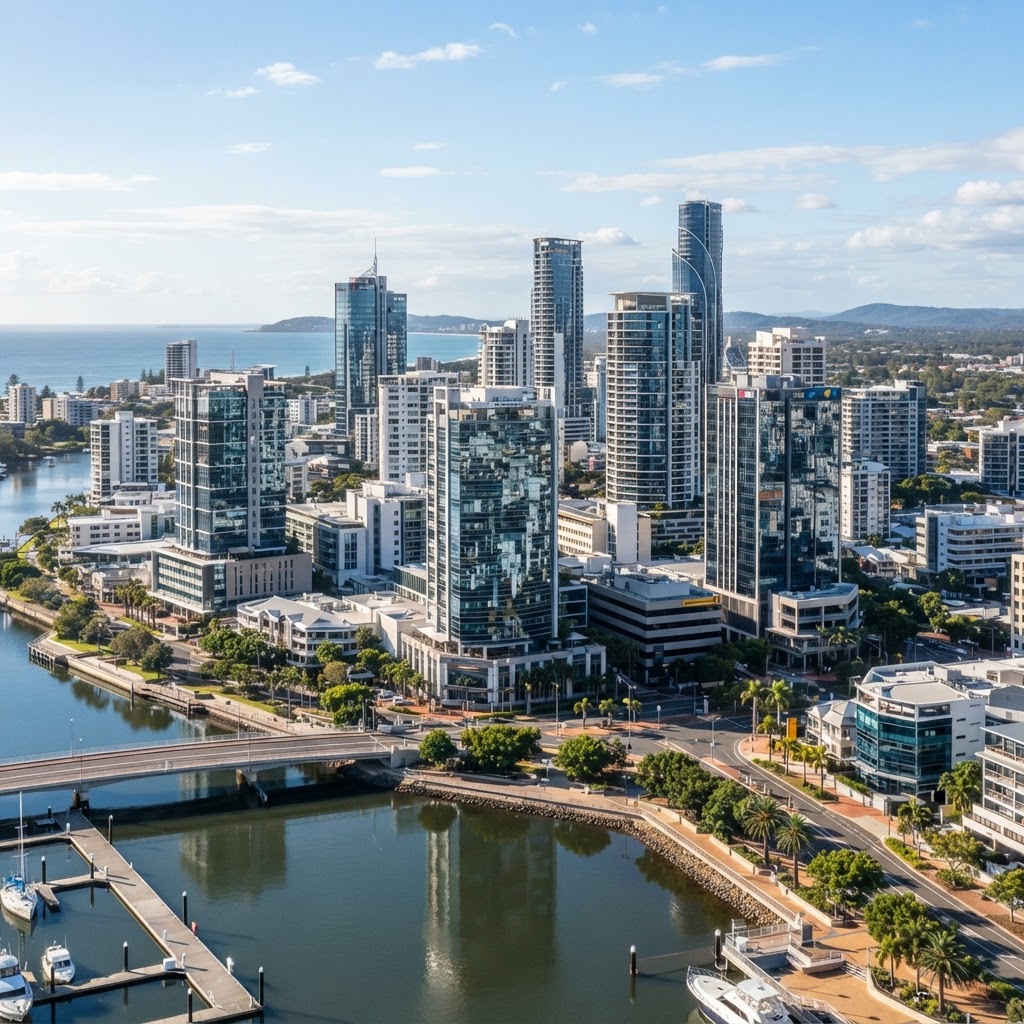
The numbers are sobering. Across the Sunshine Coast, from the industrial precincts of Kunda Park to the tourism strip along Hastings Street in Noosa, business owners are reporting squeezed margins, rising input costs and a customer base that is visibly pulling back on discretionary spending. The first half of 2026 has delivered few bright spots for the region's commercial sector, and many operators are bracing for a difficult winter trading period before any meaningful relief arrives.
The pressures are not unique to the Sunshine Coast, but they are landing particularly hard here because of the region's economic structure. A large share of local revenue flows through hospitality, tourism, retail and construction, all sectors acutely sensitive to consumer confidence and interest rates. The Reserve Bank of Australia held the cash rate at 3.85 percent through June 2026, and while that represented a modest improvement on the peak cycle, mortgage stress continues to suppress discretionary spending at cafes, boutiques and entertainment venues throughout the region.
Property Cooling Hits Construction and Retail Simultaneously
The property slowdown is reverberating well beyond real estate agencies. Caloundra's central business district, which saw a flurry of residential unit development approvals between 2022 and 2024, is now contending with a quieter pipeline. Several mid-scale apartment projects in the Brightwater and Little Mountain corridors have stalled at the pre-sales stage as buyers pull back, according to Sunshine Coast Council development application registers reviewed publicly online. That cooling directly reduces work for local trades, suppliers and the fit-out businesses that depend on new builds.
The Sunshine Coast's retail vacancy rate has ticked upward in 2026, with Maroochydore's Ocean Street and Bulcock Street in Caloundra among the strips showing empty shopfronts that were occupied as recently as mid-2025. Business improvement groups in both precincts have flagged the trend, though no regional consolidated vacancy figures have yet been released by the council for the current financial year. What is visible on the ground is a shift: fewer independents opening, more landlords negotiating rent-free periods to attract tenants.
Energy costs remain a flashpoint. Rural and semi-rural operators, including produce businesses in the Eumundi and Yandina hinterland, have faced reliability problems with standalone and grid-connected power systems that push up operational costs through downtime and spoilage. A pattern of maintenance failures in off-grid power infrastructure affecting agricultural businesses has been documented broadly across regional Australia in mid-2026, and the Sunshine Coast hinterland is not exempt. For small food producers already absorbing higher freight costs on the Bruce Highway corridor, an unreliable power supply compounds thin margins.
Labour Market Stays Tight Despite Slowdown Signals
One of the stranger features of 2026 is that the labour market has not softened in step with slowing consumer demand. Hospitality venues in Noosa Junction and along the Mooloolaba Esplanade continue to report difficulty filling casual and part-time roles, particularly in kitchen and front-of-house positions. The University of the Sunshine Coast, which graduates thousands of students each year from its Sippy Downs campus, has expanded its industry placement programs in an attempt to channel more graduates into local businesses, but industry groups say there is still a structural mismatch between available candidates and the specific skills operators need.
Wage costs have risen sharply following successive Fair Work minimum wage increases, with the July 2025 adjustment lifting the national minimum wage to $24.10 per hour. For labour-intensive businesses, a café running eight staff on a Sunday, for instance, the annualised cost impact is significant without a corresponding uptick in customer spend.
For operators trying to navigate the back half of 2026, financial advisers and the Sunshine Coast Business Council have consistently pointed toward a handful of practical levers: renegotiating supplier terms before the September quarter, auditing energy contracts ahead of a potential further market repricing, and leaning on programs such as the Queensland Government's Small Business Hotline for grant and rebate eligibility checks. The region's fundamentals, population growth, infrastructure investment around Maroochydore City Centre and the coming 2032 Olympic proximity effect, remain intact. The challenge is surviving the present to reach that upside.
This article is general information only and is not personal financial or investment advice. Consider your own circumstances and seek licensed professional advice before making financial decisions.