finance
Sunshine Coast Business Energy Costs Rise: July Impact
Electricity price hikes and property market cooling hit Sunshine Coast retailers and offices. How Caloundra and Maroochydore businesses are managing rising operating costs this financial year.
How we reported this
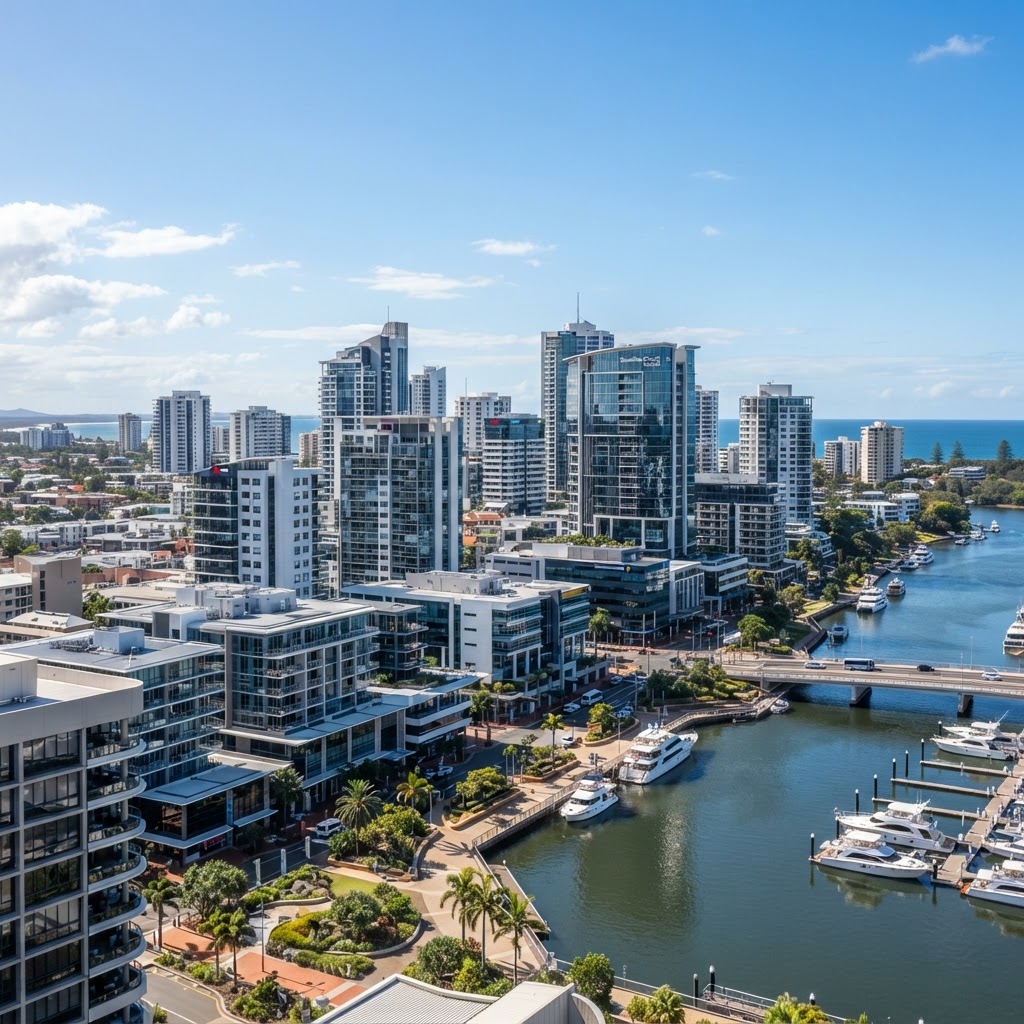
Sunshine Coast businesses are opening their July bills to an uncomfortable reality: the same policy fights and commodity pressures dominating national headlines are translating, dollar by dollar, into tighter margins on the ground here. Energy pricing, a cooling property sector, and patchy infrastructure reliability are converging at the worst possible time for a regional economy still calibrating after the post-pandemic surge.
The timing matters because July 1 marks the start of a new financial year, when energy tariff adjustments typically roll through commercial contracts. The federal government and the Coalition are publicly clashing over electricity prices, with the debate sharpening around household and small-business relief mechanisms. For operators along Aerodrome Road in Maroochydore or tucked into the Birtinya health and retail precinct, the argument in Canberra is not abstract, it shows up in quarterly energy invoices that several local business owners say have climbed steeply over the past 18 months.
Energy Uncertainty Bites Across the Coast
The national conversation about standalone power systems, highlighted by reliability problems reported in regional Western Australia this week, resonates locally in a different form. Sunshine Coast businesses and community organisations that invested in rooftop solar and battery storage to hedge against grid costs are now discovering that maintenance obligations and inverter replacements carry their own substantial price tags. The Sunshine Coast Council's sustainability unit has been running the SunSmart Business program to support commercial solar uptake, but participants say the gap between installation incentives and ongoing support remains a practical problem.
Maroochydore's new CBD, the Sunshine Coast Priority Development Area centred on First Avenue, was partly designed with energy-efficient infrastructure in mind. Tenants moving into the precinct this year are finding that energy efficiency in the building envelope helps, but does not insulate them from wholesale price volatility hitting their embedded network costs. A mid-sized hospitality operator running commercial refrigeration and kitchen equipment across a full trading week can easily sit in an energy spend bracket where a 10 percent tariff shift erases a meaningful slice of net margin.
Australia's property market cooling, reported nationally with first-home buyers pulling back, has a specific local texture on the Sunshine Coast. CoreLogic's June 2026 data placed the Sunshine Coast among the markets recording softer quarterly price movements after the sharp gains of 2020-2023. For businesses, the downstream effect is real: construction-related trades, real estate agencies, and conveyancing practices in Buderim and Caloundra have all flagged quieter pipelines compared with the peak years. Retail spending in areas with high concentrations of recent mortgage holders, suburbs like Bokarina and Little Mountain, tends to tighten when repayment stress rises.
What Local Operators Can Do Before the Quarter Ends
The Sunshine Coast Chamber of Commerce, based in Maroochydore, has been directing members toward the Queensland Government's Small Business Energy Coaching program, which offers no-cost assessments for eligible businesses with annual energy bills above a set threshold. Separately, the Business Sunshine Coast economic development body has flagged access to the federal government's Energy Bill Relief Fund as a priority conversation for any small business that has not yet checked its eligibility, the fund's current round closes in late 2026.
On the property side, commercial landlords in Caloundra's Bulcock Street strip and along Innovation Parkway at Birtinya are being urged by agents to lock in longer lease terms before any potential market reset, while tenants are doing the opposite calculation, watching for an opportunity to renegotiate. Both sides are reading the same national data and reaching opposite conclusions, which is itself a sign of how much uncertainty has settled over the mid-year mark.
The practical advice from business advisers operating out of the Sunshine Coast Business Hub at Maroochydore is consistent: review energy contracts before any automatic rollover date, check federal and state relief eligibility now rather than at tax time, and stress-test cash flow projections against a property market that may stay flat through at least the first half of 2027. The global and national contexts are not going to resolve quickly. Local businesses that treat this quarter as a planning window, rather than waiting for conditions to stabilise, will be better placed when they do.
This article is general information only and is not personal financial or investment advice. Consider your own circumstances and seek licensed professional advice before making financial decisions.