finance
What the Numbers Actually Mean: Reading the Sunshine Coast Economy Right Now
Auction clearance rates are sliding, energy costs are biting businesses, and investment money is still moving, here's what's really happening on the ground.
How we reported this
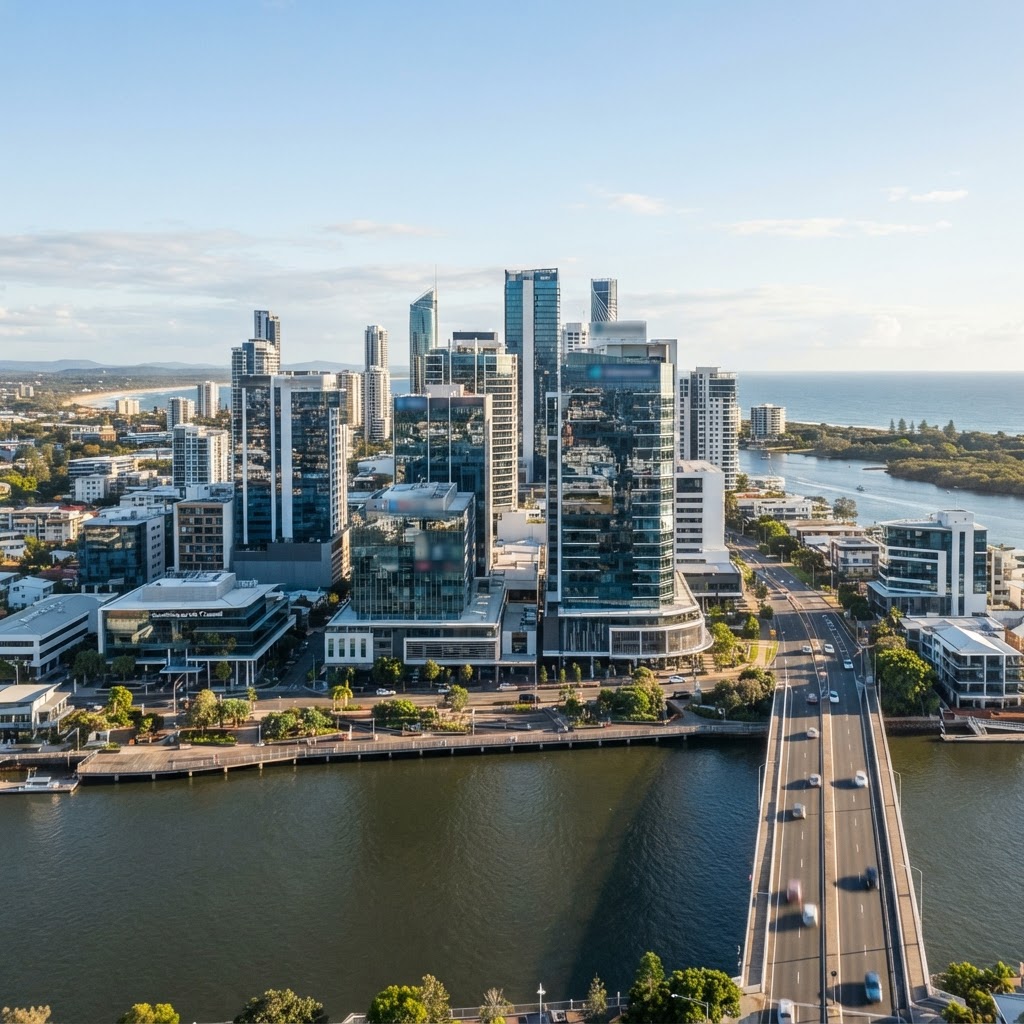
Auction clearance rates across southeast Queensland hit multi-year lows this weekend, according to national property data published on July 5. For the Sunshine Coast, that headline number tells only part of the story, but it's a part that investors, retailers and landlords here cannot ignore.
The broader Australian property correction is arriving later on the Sunshine Coast than it did in Sydney or Melbourne, which means local business owners and property investors are only now beginning to recalibrate. Understanding why that matters requires looking at three separate streams of economic data at once: property, energy, and capital flows into the region.
Property Signals: What Cooling Prices Mean for Local Business
The Sunshine Coast property market rode an extraordinary wave between 2020 and 2023, with median house prices in suburbs like Buderim and Noosa Heads climbing sharply as interstate migration flooded the region. That era of easy equity gains is over, at least for now. Nationally, weekend clearance rates have fallen to levels analysts describe as unusually low for a non-holiday period, and the Coast is not immune.
For the business community, a softening property market carries concrete consequences. Retailers and hospitality operators along Hastings Street in Noosa and on Ocean Street in Maroochydore have long benefited from a consumer base flush with paper wealth. When that wealth shrinks on paper, even temporarily, discretionary spending tends to tighten. Commercial landlords in Maroochydore's CBD precinct are already reporting longer lease negotiation cycles than they saw in 2024, a sign tenants feel more leverage.
First home buyers nationally are hesitating despite government incentive programs, according to reporting published July 4. On the Sunshine Coast, that hesitation has a local twist: entry-level properties in areas like Caloundra West and Sippy Downs remain priced well above what the Queensland Housing Finance Loan program was originally calibrated to support, limiting the stimulatory effect of state assistance in this market specifically.
Energy Costs and Investment: The Two Pressures Hitting at Once
Energy pricing is the second major variable shaping business decisions here right now. National debate over electricity concession schemes, and whether government promotion of those programs is actually delivering relief, has a direct Sunshine Coast dimension. Small and medium businesses operating in the Sunshine Coast Industrial Park at Kunda Park and along the Nicklin Way retail corridor are among those most exposed to the commercial tariff increases that have flowed through over the past 18 months. Unlike residential customers, most commercial operators do not qualify for the concessional arrangements currently under political scrutiny at the federal level.
Investment flows into the region tell a more optimistic story, provided you read them carefully. The Sunshine Coast Council's 2025-26 capital works budget allocated funding toward the Maroochydore City Centre development precinct, which remains one of the few greenfield CBD projects of its scale anywhere in Australia. That long-term infrastructure commitment continues to attract interest from institutional investors even as retail property softens. The SunCentral Maroochydore project, the entity overseeing the new city centre, represents a structural bet on the Sunshine Coast's continued population and economic growth regardless of short-term market cycles.
Tourism investment is also holding steadier than the residential market. Noosa's accommodation sector recorded strong forward bookings into the July school holiday period, and the Sunshine Coast Airport's international terminal, opened in 2020, continues to drive incremental visitor spending that feeds into the hospitality and retail supply chain across the region.
For business owners trying to act on all of this: the clearest near-term signal is that this is a moment to lock in commercial lease terms if you're renewing, review energy contracts before the next tariff cycle, and treat property equity as less liquid than it appeared 18 months ago. Investors looking at the Maroochydore precinct or surrounding growth corridors should watch the Sunshine Coast Council's next quarterly economic update, expected in August 2026, which will include updated population and development approval figures. Those numbers will be the most reliable local gauge of where the real money is still moving.
This article is general information only and is not personal financial or investment advice. Consider your own circumstances and seek licensed professional advice before making financial decisions.