finance
Reading the Numbers: What Sunshine Coast's Economic Indicators Are Actually Telling Investors Right Now
Amid rising costs, cooling property prices and an AI-driven shift in commercial land use, understanding where capital is moving on the Sunshine Coast has never mattered more.
How we reported this
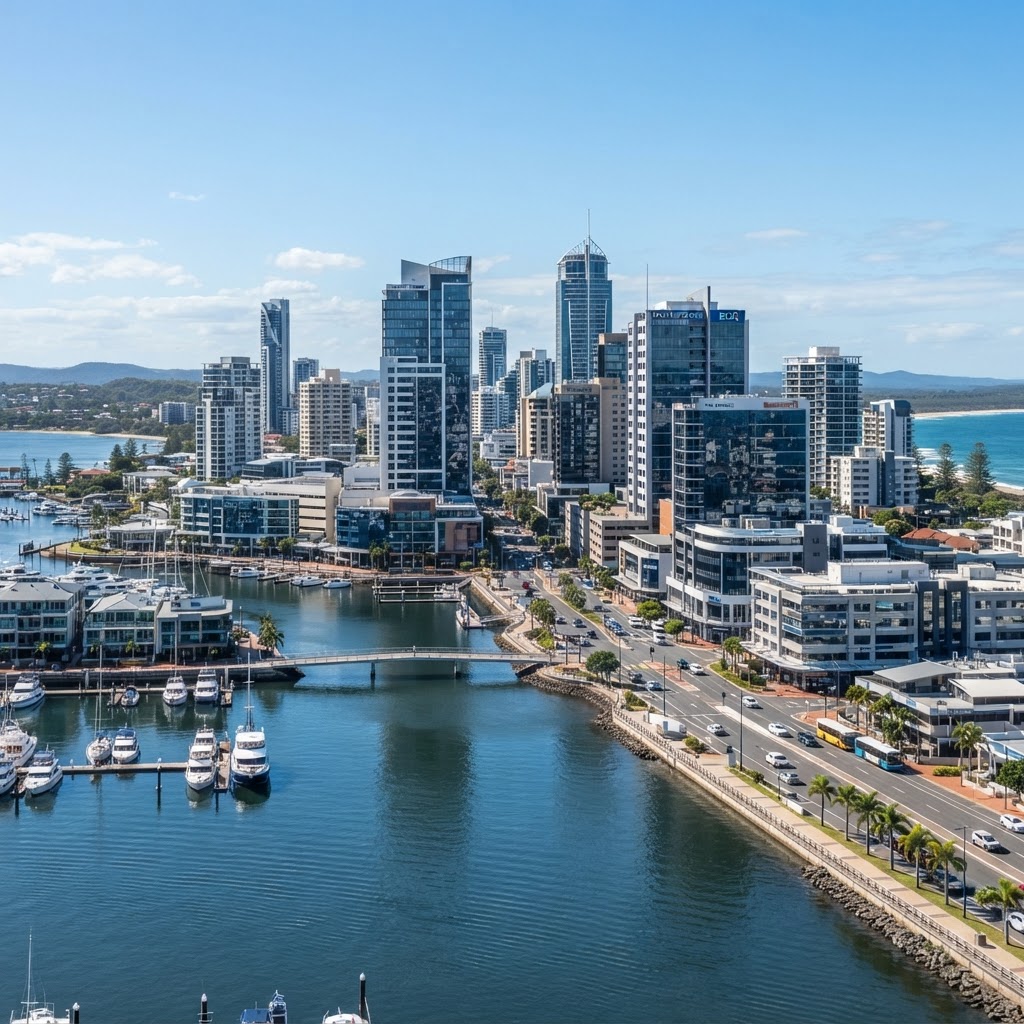
The Sunshine Coast economy is sending mixed signals in mid-2026, and for local business owners and property investors trying to read the room, the noise-to-signal ratio is brutal. Wage pressures are biting small operators. Residential property is softening after years of pandemic-era gains. And a new wave of industrial and data infrastructure investment is quietly reshaping what gets built where, and for whom.
Getting the fundamentals straight is the starting point. Economic indicators fall into three broad categories: leading indicators, which point to where the economy is heading; lagging indicators, which confirm what already happened; and coincident indicators, which move in real time with economic activity. On the Sunshine Coast, retail foot traffic at Birtinya's Sunshine Coast University Hospital precinct and new commercial lease activity along the Maroochydore CBD corridor both function as useful coincident reads on business confidence. When those numbers tick up, consumer spending and investment typically follow within a quarter.
Where Investment Is, and Isn't, Flowing
The clearest story right now is in commercial and industrial land. Nationally, demand for AI data centre development is pushing industrial land values in major markets, a dynamic reported in detail in early July 2026. On the Sunshine Coast, that pressure is not yet acute, but it is arriving. The Caloundra South industrial precinct and the established commercial zones around Kunda Park and Kawana Waters are registering increased inquiry from logistics and technology-adjacent tenants, according to publicly available local government planning data.
Residential investment is a different calculation. Australian property prices overall showed signs of cooling heading into the second half of 2026, with first-home buyers pulling back nationally. On the Sunshine Coast, median house prices in suburbs like Buderim and Mooloolaba had climbed sharply between 2020 and 2024, creating an affordability ceiling that is now slowing transaction volumes. Fewer transactions mean less stamp duty revenue for Sunshine Coast Council, a lagging indicator that will likely show up in council budget projections before the end of the 2026 financial year.
For investors watching capital flows, the practical implication is a rotation: money that might have chased residential yields two years ago is now looking harder at commercial property, short-stay accommodation near Noosa and Coolum, and light industrial assets closer to the Bruce Highway corridor.
What Small Business Owners Should Watch
Wage costs are the pressure point that cuts across every other indicator. Minimum wage increases that took effect on 1 July 2026 added to input costs that were already elevated by energy prices and supply chain normalisation. For the strip retail along Hastings Street in Noosa Heads or the café and hospitality operators around the Mooloolaba Esplanade, the margin arithmetic has become unforgiving. When labour costs rise faster than revenue, operators cut hours or headcount, and that shows up within six to eight weeks in local unemployment and underemployment data.
The indicator worth tracking most closely over the next three months is the NAB Monthly Business Confidence Index for Queensland, released on the second Tuesday of each month. A sustained reading below zero signals contraction expectations. Paired with the Sunshine Coast Council's own quarterly economic update, published through Economy Sunshine Coast, the region's investment attraction body, it gives investors and business owners the clearest composite picture available without paying for private research.
For anyone making a capital allocation decision on the Sunshine Coast right now, the practical advice is to weight coincident and leading indicators over the rear-vision mirror of recent price history. Industrial vacancy rates, planning approvals lodged at council, and foot-traffic data from the Sunshine Coast Airport, which handled a record number of passengers in the year ending June 2026, are the metrics that will show the next move before it shows up in asking prices. The fundamentals here remain strong. The skill is reading them clearly enough to act before the crowd does.
This article is general information only and is not personal financial or investment advice. Consider your own circumstances and seek licensed professional advice before making financial decisions.