finance
Sunshine Coast Restaurants Create Jobs From Food Waste Revolution
A quiet revolution in how local restaurants handle waste is creating unexpected new job categories and squeezing an already tight talent pool.
How we reported this
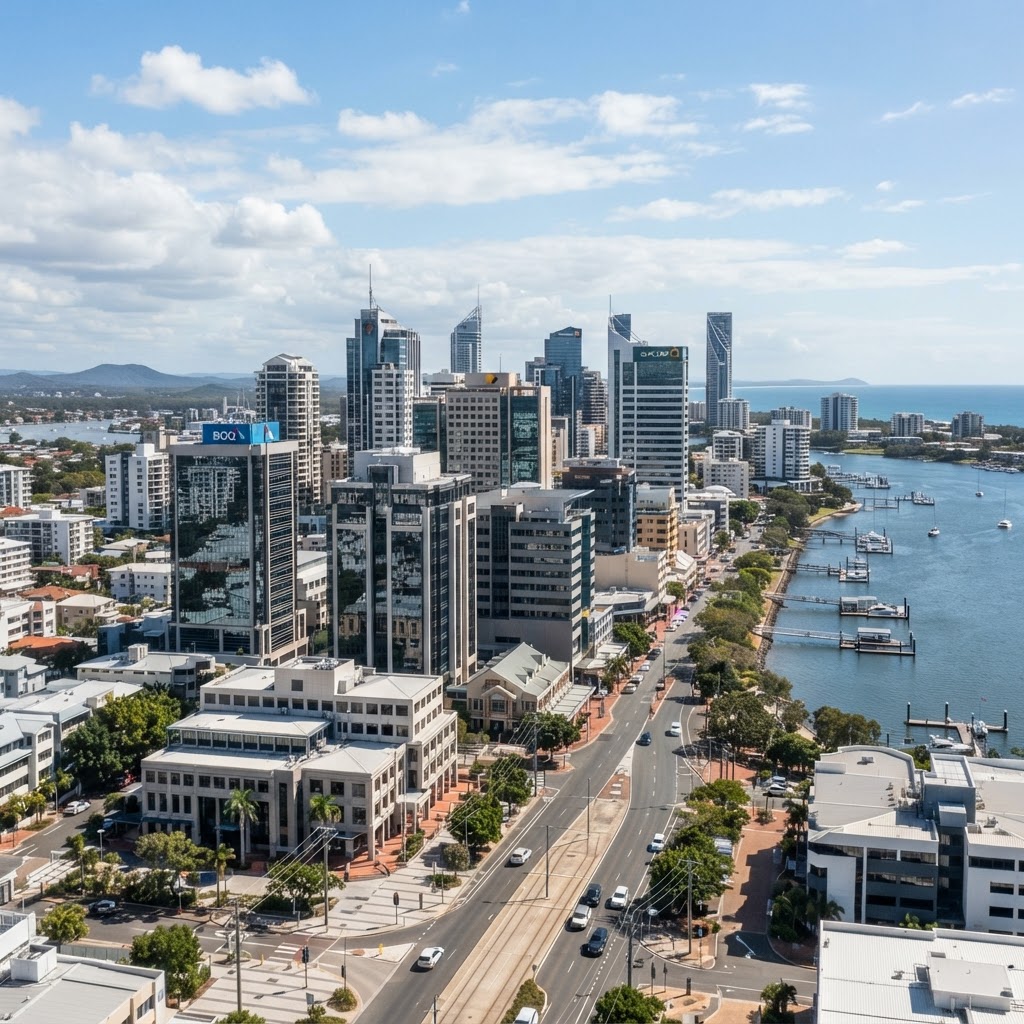
Sunshine Coast hospitality operators are hiring differently. Across the strip from Mooloolaba Esplanade to Hastings Street in Noosa, cafe and restaurant owners say they are advertising for roles that simply did not exist three years ago, sustainability coordinators, food-loop logistics handlers, and farm-partnership liaisons, as the industry's push toward zero-waste operations collides head-on with one of the tightest regional labour markets in Queensland.
The timing matters. Regional hospitality employment on the Sunshine Coast sits at roughly 14,200 direct jobs according to Sunshine Coast Council's 2025 Economic Profile, and vacancy rates in food service trades have been running above 18 percent for the past 18 months. Now operators are not just struggling to fill traditional front-of-house and kitchen roles, they are competing for a thin slice of workers who understand composting logistics, food-scrap collection schedules, and regenerative supply chains.
New Roles, Same Old Shortage
The driver is straightforward. More Sunshine Coast restaurants are formalising arrangements to send kitchen off-cuts, used cooking oil, and organic waste directly to regional farms and composting operations rather than paying for landfill disposal. The Sunshine Coast Waste Strategy 2041, adopted by council in late 2023, set a target of diverting 80 percent of organic waste from landfill by 2030. Hospitality is now expected to carry a significant share of that load.
Venues such as Spirit House in Yandina and Longboard Bar & Grill at Mooloolaba have been early movers, publicly committing to closed-loop waste programs. Industry observers say the operational complexity of running those programs, coordinating pickup windows, tracking diversion volumes, managing relationships with Glasshouse Country farms that take the material, has created genuine full-time work that falls awkwardly between a chef's job description and an office manager's.
TAFE Queensland's Mooloolah Valley campus updated its Certificate III in Hospitality electives in February 2026 to include a sustainability operations module, the first formal recognition that employers actually need these skills certified. Enrolments in that module reached 340 students in its first semester, already oversubscribed by 60 places.
What Operators Are Paying, and Who They Are Losing
The wage picture is complicated. A standard food and beverage attendant on the Sunshine Coast earns between $24.50 and $27 per hour under current Hospitality Industry General Award rates. Operators advertising for hybrid sustainability-and-operations roles are benchmarking those positions at $58,000 to $68,000 annually, a salary band that puts them in direct competition with logistics companies and council contractors, not just the cafe down the road.
Several Maroochydore-based operators have reported losing trained candidates to Sunshine Coast Airport's expanding freight and cold-storage precinct, which is aggressively recruiting people with food-handling certifications. The airport's logistics zone, which added three new cold-chain tenants between January and May 2026, does not require weekend availability and offers superannuation above the mandatory 11.5 percent, two advantages a busy restaurant kitchen cannot easily match.
The Sunshine Coast Hospitality Alliance, which represents around 420 member businesses from Caloundra to Noosa, flagged the issue formally at its May 2026 quarterly forum at the Kawana Waters Hotel. The group is now lobbying the Queensland Department of Employment for a regional skills shortage designation specific to sustainability-focused hospitality roles, which would unlock priority access to the Queensland Skills Strategy funding stream worth up to $5,000 per eligible placement.
For operators trying to hire now, the practical advice from industry bodies is blunt: stop waiting for a ready-made candidate and build one. Several Buderim and Minyama restaurants have struck informal cadetship deals with TAFE Queensland, taking on second-year hospitality students for 12-hour weekly placements specifically structured around waste logistics. It costs the business roughly $310 per week in supervised-hours wages, but the operators who started these arrangements in early 2025 report that three-quarters of those cadets accepted permanent offers before graduating. That conversion rate is the most concrete evidence yet that the Sunshine Coast's food industry is not just adapting to a new kind of work, it is starting to grow its own people to do it.
This article is general information only and is not personal financial or investment advice. Consider your own circumstances and seek licensed professional advice before making financial decisions.