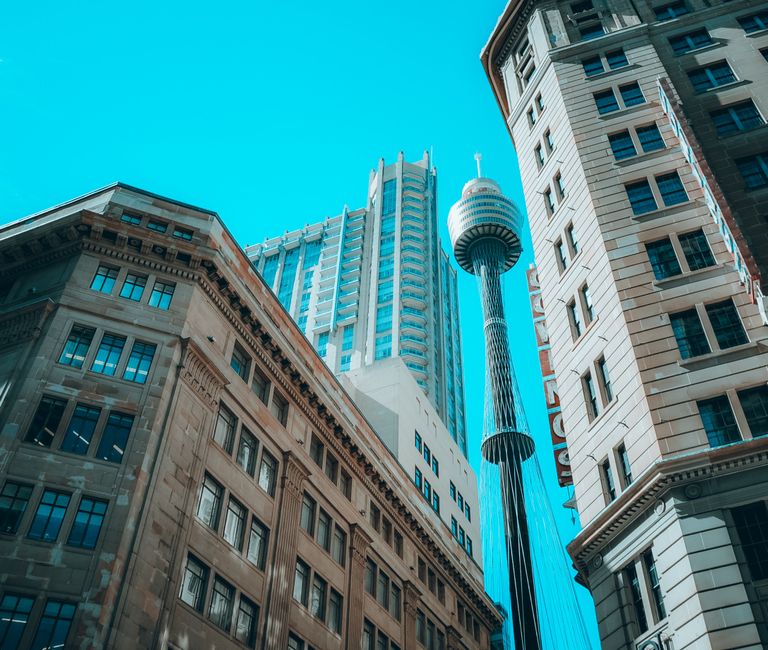
Walk down Broadbeach Boulevard on any given weekday, and you'll see cranes dotting the skyline. New office towers. Residential developments. Shopping precincts expanding. But what's actually driving this activity? The answer lies in understanding economic indicators—the vital signs of our financial ecosystem.
Economic indicators are measurable data points that reflect the health of an economy. On the Sunshine Coast, three metrics matter most to investors, business owners, and everyday residents: employment rates, consumer confidence, and property valuations.
Consider employment. The Sunshine Coast's jobless rate has hovered around 4.2 per cent over the past eighteen months, below the national average. This signals stability. When unemployment falls, banks grow confident lending money. Developers greenlight projects. The Sunshine Coast Business Chamber reports that construction sector activity near Maroochydore and Caloundra has surged accordingly. More jobs mean more people moving here, which drives demand for housing and retail services.
Then there's consumer confidence—essentially, whether people feel wealthy enough to spend. Australian consumer confidence indices have been volatile lately, fluctuating between 95 and 110 points depending on global events. When geopolitical tensions spike, confidence dips. People tighten spending. Retail precincts like the Sunshine Coast Square report softer foot traffic during these periods. Conversely, stable quarters see brisk activity.
Property valuations tell another story. Median house prices across the Sunshine Coast have climbed to approximately $895,000, reflecting strong investor interest. This attracts capital from interstate and overseas buyers seeking portfolio diversification. Investment flows follow these signals—money gravitates toward appreciating assets.
But here's the complexity. While investment and job creation feel positive, rising property values create affordability pressures. Cost-of-living increases—groceries, utilities, rent—lag behind wage growth, squeezing middle-income households. The Reserve Bank's interest rate decisions ripple through mortgages and business borrowing costs, directly affecting both commercial development and household budgets.
Global factors amplify local effects. International tensions, currency fluctuations, and commodity price swings influence Australian investment flows. Recent geopolitical volatility has made investors cautious, yet the Sunshine Coast's status as a lifestyle destination has insulated it somewhat from sharper downturns seen elsewhere.
Understanding these indicators matters. They explain why your mortgage payments might rise, why your employer either hires or freezes headcount, and why developers either accelerate or pause projects. For residents and business owners, decoding these signals—rather than reacting to headlines—enables smarter financial planning in uncertain times.
This article was compiled by AI from the sources linked above and screened before publishing. See our editorial standards.